Accessible Trekking in Nepal
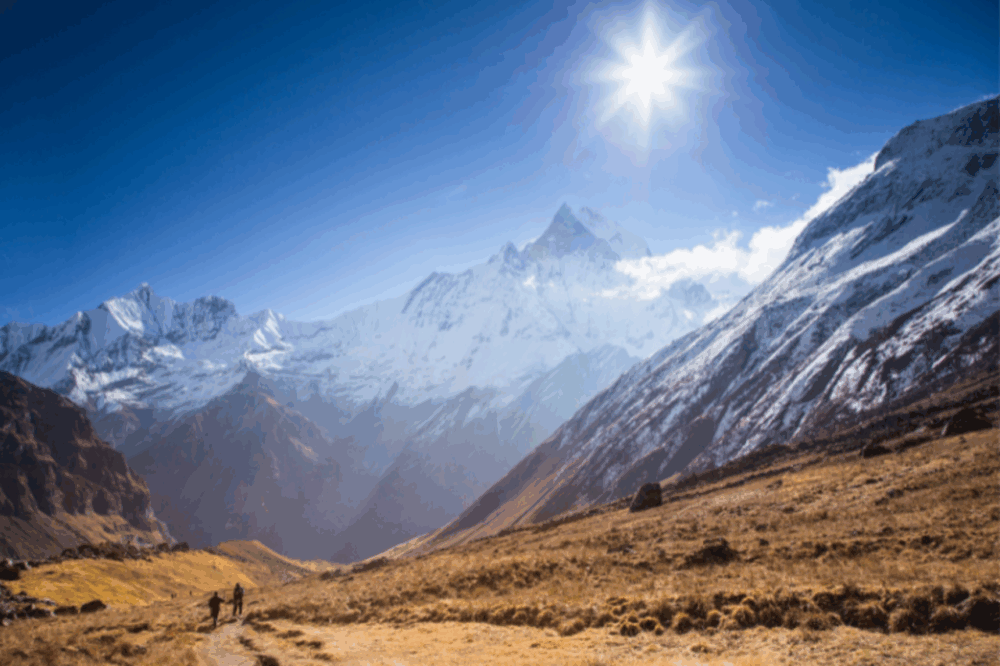
Nepal is well-known in the trekking community and is sometimes referred to as the “dreamland” of hikers. And during their investigation, every one of the trekking lovers must have discovered Nepal’s intriguing hiking routes.
On the surface, though, the rocky walking paths and high peaks may appear frightening. Additionally, it may give you the false impression that only seasoned and expert hikers are capable of completing it.
Because of increased awareness of inclusive tourism, accessible trekking in Nepal is becoming more popular, opening up a world where everyone can experience the grandeur of these high altitude mountains.
Nepal provides trekking experiences catered to your needs, whether you’re an older tourist, someone with limited mobility, a family with kids, or just not very fit and want less strenuous excursions.
Thus, we will explore the what, how, and why of accessible trekking in Nepal in this blog, along with various accessible trekking routes in the country and useful advice for organizing an accessible Himalayan trip.
Unpacking Accessible Trekking
Before anything else, let’s clarify what accessible trekking is. In its most basic form, it refers to establishing a welcoming atmosphere for all types of hikers, irrespective of their various demands, which are met along the journey.
This includes clear communication techniques, very descriptive guides that create vivid images of the terrain, physical aid for those with mobility impairments, and possibly guides that know the basics of sign language for those with sensory impairments.
The treks are made for older travelers and those with cognitive impairments, with easier itineraries and understanding, patient support workers that can adjust to each person’s needs and pace.
Accessible trekking will offer shorter-day options, medical support, and a thorough understanding of guides to promote comfort and well-being for trekkers with chronic illnesses, fatigue syndromes, or anxiety.
Why Is Accessibility Important for Trekking?
Trekking is the finest way for people to experience Nepal’s unadulterated beauty and genuine way of life. Furthermore, trekking is among the most popular adventurous pursuits.
hiking, however, entails going rogue, and these hiking tracks are typically quite difficult to navigate. Because of this, some of the greatest adventure activities are only available to a select number of people who meet specific physical requirements.
Why restrict participation when you may invite more individuals to participate? Doesn’t that sound like fun? That’s precisely the point at which accessibility becomes important.
Now that you are aware of what accessible trekking routes entail, you can consider how they dismantle long-standing obstacles in this world of adventure and make it accessible to those who are prepared to go beyond their comfort zones.
Accessible treks promote inclusive tourism by making trekking feasible and pleasurable for older tourists, those with reduced mobility, families with small children, and first-time hikers looking for a simpler course.
Accessibility Issues in Nepal’s Terrains
Although the thought of accessible hiking in Nepal seems fantastic, the country’s challenging and diverse terrain makes it much more difficult to accomplish, adding additional difficulties to the process.
The actual scenery in Nepal, particularly along the hiking routes, resembles this in some ways.
Uneven terrain, tight paths, and steep climbs
Many trekking routes have stone stairs.
isolated areas with poor road access
Absence of infrastructure that is completely wheelchair accessible
Risks associated with high altitude and unpredictable weather
However, these difficulties have been lessened and accessibility has been made simpler by the slow advancements in hiking infrastructure, such as car access.
Essential Elements of an Accessible Adventure
In Nepal, the concept of accessible trekking goes beyond simply making the trail easier or adding a ramp. It goes far farther than that. Some characteristics of an accessible trek that are intended to be accomplished are listed below:
fewer severe climbs, gentle grades, and well-kept routes.
Other modes of transportation include horses, jeeps, or even helicopters for some areas.
accessible facilities with amenities including clean restrooms, ramps, and spacious entrances.
competent porters and guides who are adept in helping travelers with disabilities.
readiness for emergency evacuation, including the provision of helicopter rescue services.
shorter hikes to avoid fatigue and problems caused by altitude.
Nepal’s Trekking Routes Are Accessible
There is still much work to be done, even if Nepal’s trekking business is undergoing a positive transformation and making an effort to make the majority of treks accessible. In the meanwhile, the following hikes in Nepal are excellent choices for accessible trekking:
Ghorepani Poonhill Trek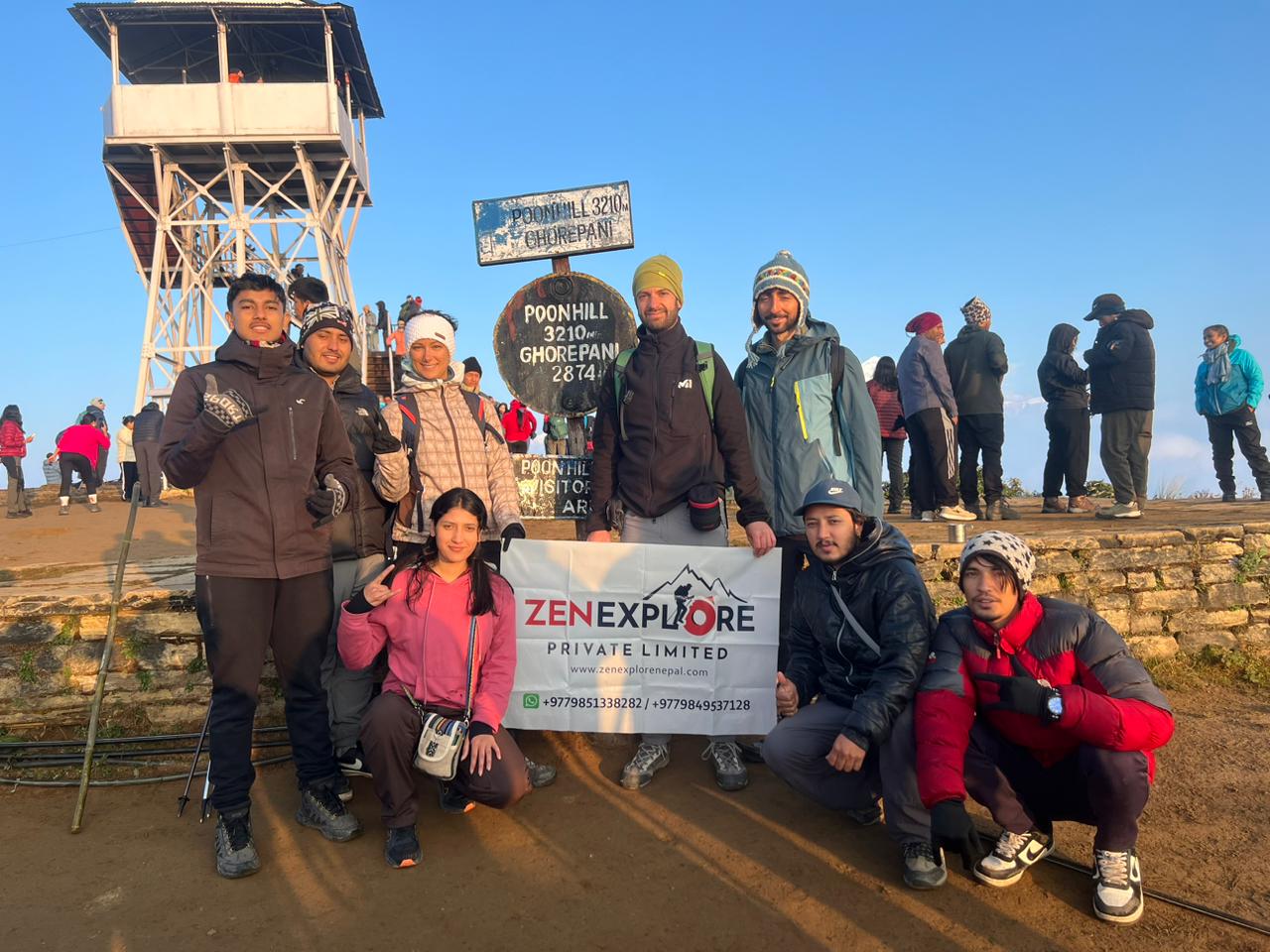
The Ghorepani Poonhill Trek, which takes place over just three to five days and ascends to the highest point in Nepal at 3,210 meters, is likely one of the easiest, shortest, and most beginner-friendly treks in the country.
Because of its modest difficulty, this is regarded as Nepal’s greatest introductory hike. Due to automobile access up till Ulleri, you will only need to trek for a few hours.
Additionally, you will be traversing well-traveled paths while traveling. You can pause and rest whenever you choose because there are many of cozy teahouses and rest areas along the way.
Because it takes less work than high-altitude treks to see the dawn from Poon Hill, the Ghorepani Poonhill walk is ideal for novices, families with children, older hikers with a moderate level of fitness, and time-constrained tourists.
Everest Base Camp Trek
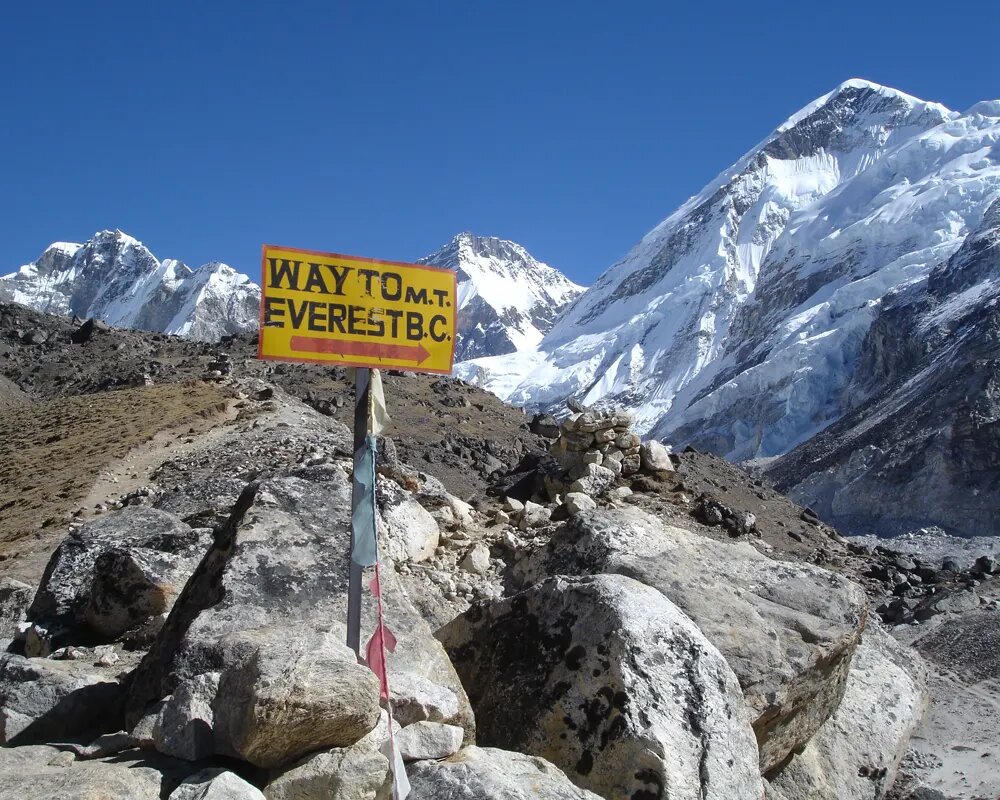
The Everest Base Camp journey, which lasts 12 to 14 days and requires you to ascend to an altitude of at least 5,364 meters at the EBC, is the most difficult trek on this list.
You may be curious about the trek’s accessibility. Even though it can be difficult, EBC can be used by seniors, beginners, and slow-moving hikers who need extra assistance.
This additional assistance consists of a personalized route, additional acclimatization days, car access to the interior portions of the journey, a knowledgeable and certified trekking guide, and support personnel.
Trekkers who find the descent difficult might choose to fly out by helicopter from Gorakshep or Pheriche, which offers flexibility to individuals who are unable to handle the descent.
Trekkers who require frequent stops are supported by the well-maintained “Everest Highway” track, which features stone-paved paths, suspension bridges, and numerous resting places.
Trekkers who find the descent difficult might choose to fly out by helicopter from Gorakshep or Pheriche, which offers flexibility to individuals who are unable to handle the descent.
Trekkers who require frequent stops are supported by the well-maintained “Everest Highway” track, which features stone-paved paths, suspension bridges, and numerous resting places.
Regarding lodging, the lodges along the EBC trip are some of the best in Nepal, providing cozy lodgings with modern conveniences and services.
Everest View Trek
As the name implies, the Everest View Trek offers a more straightforward approach to seeing the Everest region than the strenuous EBC trek, while still allowing you to take in the breathtaking views that the area has to offer.
At an elevation of 3,880 meters, this hike leads you to Hotel Everest View, the highest hotel in the world. Without the physical strain, this journey provides a flavor of the Everest region.
Trekkers may take in breathtaking views of Everest, Lhotse, Ama Dablam, and other locations from the Hotel Everest View after a few days of trekking that are quite difficult.
Accessibility is improved because there are practical helicopter fly-in/fly-out options available, particularly for those with mobility impairments. Additionally, you will get the opportunity to enjoy the luxury of this uncommon high-altitude hotel.
Annapurna Base Camp Trek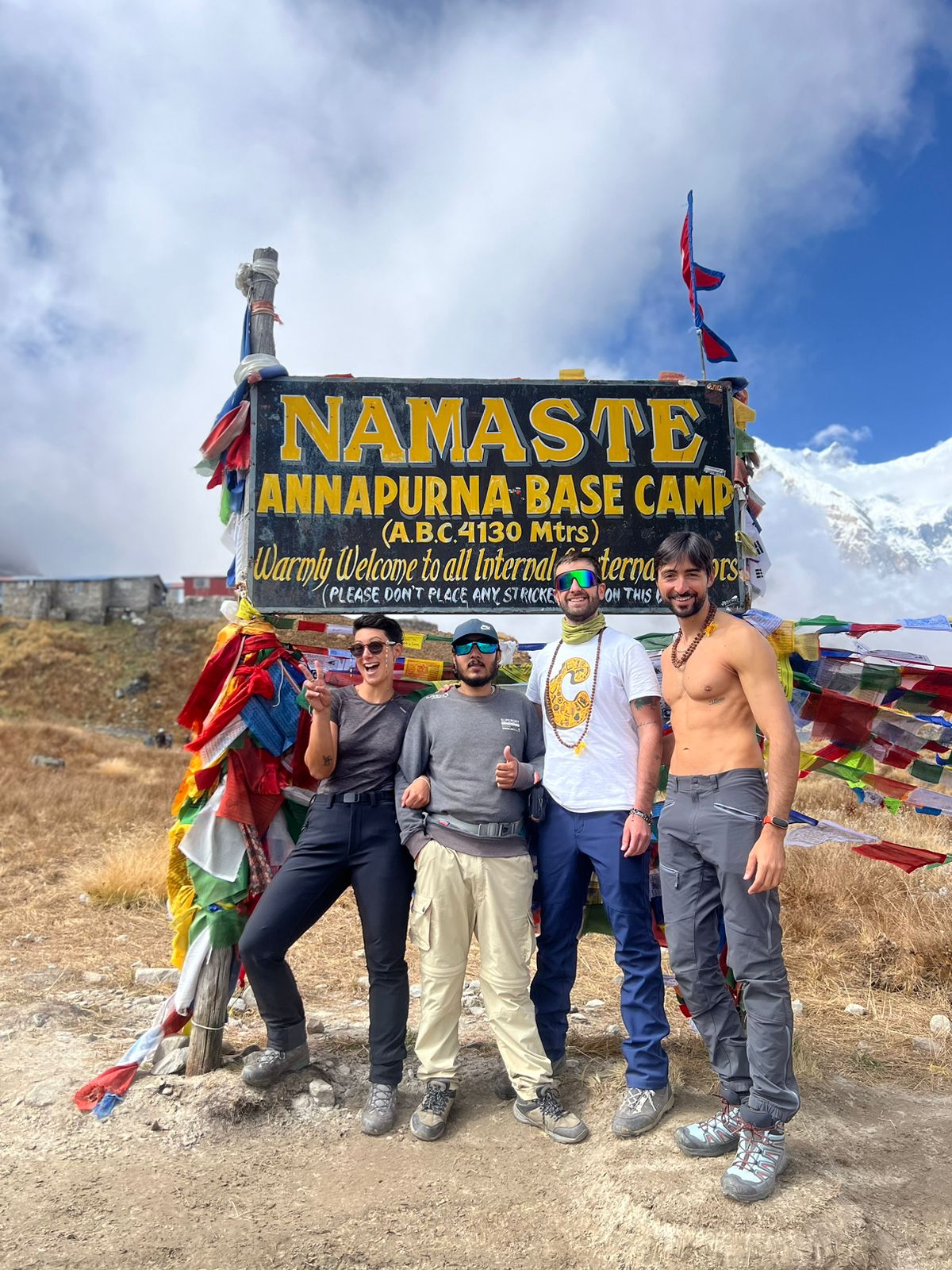
The Annapurna Base Camp Trek, which lasts 10 to 12 days, is a well-liked trekking route that is accessible because of its well-maintained paths and the participation of people in the hospitality industry.
The journey does reach a significant elevation of 4,130 meters, but it is considerably simpler with the ABC trek’s moderate elevation gain and customizable itineraries.
You will also have car access due to the well-maintained paths, which extend all the way to the settlement of Ghandruk. This shortens the initial hiking distances even though it is not much further into the journey.
When it comes to lodging, the Annapurna region has well-known and easily accessible teahouses with respectable amenities for older and cautious hikers.
Additionally, you are free to choose your own speed during the hike and take one or more days to acclimate. You can return to Pokhara by helicopter from ABC for better accessibility.
Trek of the Lower Mustang
The Lower Mustang Trek, also called the Jomsom Muktinath Trek, is another option that is far more accessible than its more difficult sibling, the Upper Mustang Trek.
This hike, which lasts about a week, ascends to an elevation of 3,800 meters at Muktinath. The level landscape you will encounter on this walk is what makes it approachable.
You can start the journey by flying directly to Jomsom, saving you the trouble of hiking there. The Trans Himalayan region, which has a rather flat and harsh environment, will be your next stop.
Additionally, there is plenty of jeep access, which greatly facilitates the hike for anyone with physical restrictions. The ideal candidates for this trek are senior citizens who also wish to visit a sacred location in Nepal’s Himalayas.
Trekking Agencies’ Function in Encouraging Accessibility
On the surface, accessible trekking in Nepal may appear to be the norm, but it is not. Thanks to the efforts of the local trekking agencies, it is being accomplished despite the difficult conditions.
Expert and trustworthy trekking companies, such as Ace the Himalaya, are essential to making your walk more accessible and inclusive of a larger range of individuals. As a result, picking a reputable trekking agency is crucia
A trekking organization can assist with accessible trekking in Nepal in the manner listed below:
providing individualized, adaptive itineraries according to each person’s needs.
Provide support personnel for accessible travel as well as certified and qualified guides, particularly in medical assistance.
A trekking organisation can assist with accessible trekking in Nepal in the manner listed below:
providing individualised, adaptable itineraries according to each person’s needs.
Provide support personnel for accessible travel as well as certified and qualified guides, particularly in medical assistance.
Whenever feasible, make arrangements for other forms of transportation to help the hikers get through the more difficult parts.
Ensuring safety protocols and emergency readiness.
Improving trekking infrastructure, especially in remote areas, by working with non-profits and accessibility advocates.
In conclusion
Accessible hiking in Nepal is no longer just a pipe dream thanks to the evolving dynamics of the trekking sector; it is gradually becoming a vivid reality that makes the nation and its trekking routes accessible to everyone.
Appropriate routes, upgraded trekking facilities, well-kept trails, and committed on-trail support services have all contributed to this.
In conclusion
Accessible hiking in Nepal is no longer just a pipe dream thanks to the evolving dynamics of the trekking sector; it is gradually becoming a vivid reality that makes the nation and its trekking routes accessible to everyone.
Appropriate routes upgraded trekking facilities, well-kept trails, and committed on-trail support services have all contributed to this.
Nepal is allowing a wider range of tourists to explore its mountains. Whether you’re a novice, an experienced hiker, or someone looking for a less demanding experience, Nepal’s accessible treks guarantee lifelong experiences.