Cultural Encounters during Annapurna Base Camp Trek

Nepal is one of the famous places where trekkers can enjoy trekking. Several famous trekking routes are in Nepal apart from that Annapurna base camp has been beckoning trekkers from all over the world.
With breathtaking views Annapurna sanctuary and the journey of traversing through uncountable landscapes. This trek could be one of the eye-catching moments for the trekkers.
Annapurna base camp lies much more beyond its natural beauty as the cultural encounters during the Annapurna base camp trek are equally valuable to the trekkers because they get to understand the cultural diversity and lifestyle of the people living in the Annapurna base camp area.
Overview of Annapurna Base Camp Trek
To begin the Annapurna base camp trek the starting point is Pokhara which is one of the most beautiful cities in Nepal, the Annapurna base camp trek is almost 110km and is filled with thrill and adventure, and the trekkers almost 8 to 10 days which takes you through the 10th highest mountain in the world Annapurna.
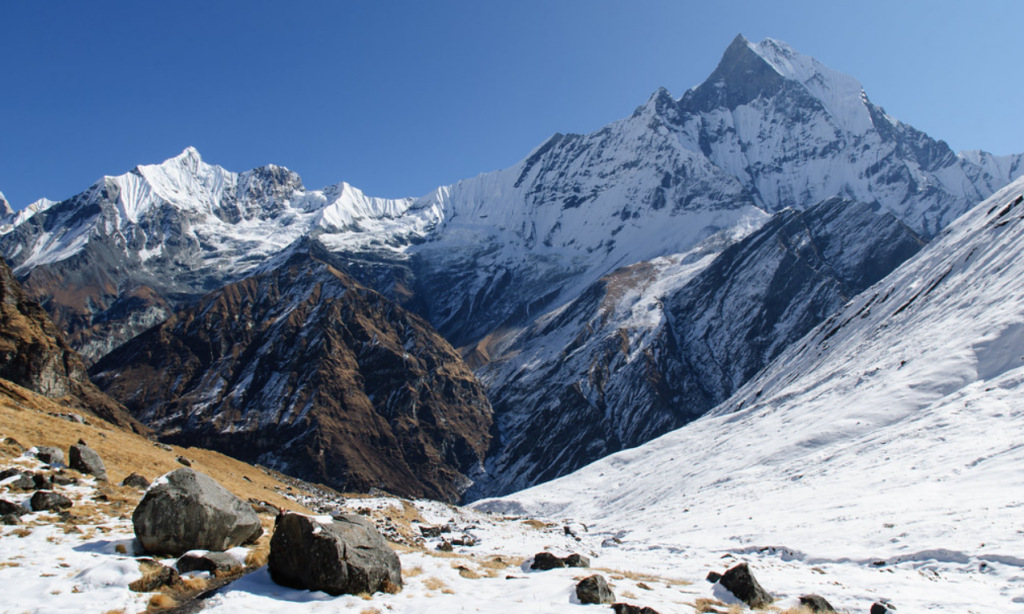
Annapurna base camp lies at the altitude of 4130metre which is considered a moderately challenging trek for the trekkers. It features challenges like uncountable stone stairs, steep ascents, knee-jerking descents, and weather challenges.
The majestic view of the natural amphitheater i.e. the Annapurna sanctuary along with the cultural experience makes the Annapurna base camp even more worth it.
Ethnicities along the Annapurna Base Camp Trekking route
Annapurna region includes iconic trails like the Annapurna circuit and the Annapurna base camp trek which features cultural groups residing in harmony in the tough conditions of the Himalayas. Different castes like Gurung, Magars, Tibetans, and Thakali can be found living in this area with their unique traditions, culture, language, food, and festivals.
Gurungs
The gurungs are known for their hospitality and they are the prominent residents residing in the Annapurna region. We will get to see Gurung village throughout the ABC trek from downhill to uphill. Gurung men have played a vital role in the British Gurkha regiments which has made a big impact on their lifestyle and economy. Gurung language is also part of the Sino-Tibetan family. Festivals like Lhosar, dance, and music the important cultural practices.
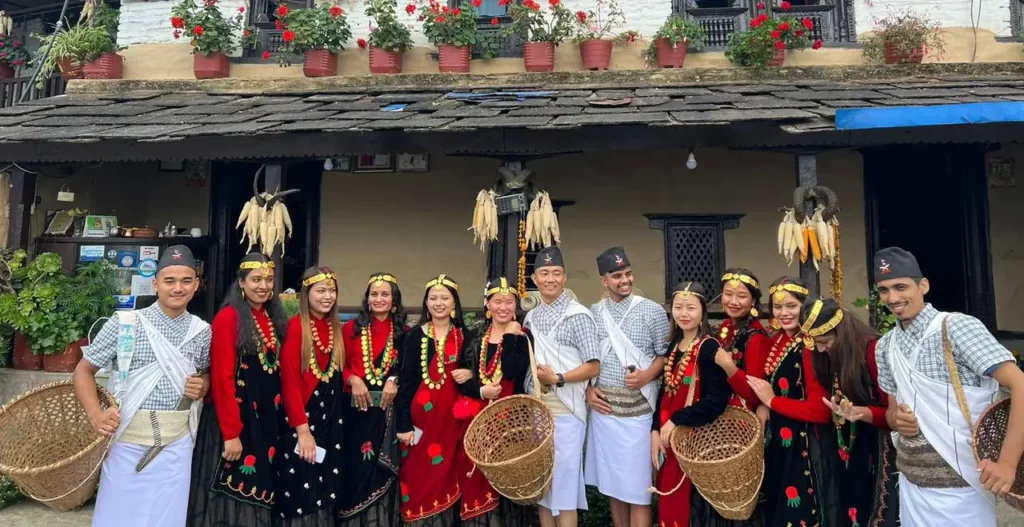
Gurung women wear beautiful and colorful blouses with jewelry which makes them look more beautiful whereas men flaunt unique jacket and caps which makes them stand out in the crowd as well.
Dashain and Tihar is the main festival of the Nepalese and for the Gurungs too where they perform Ghatu and Sorathi dance which is delightful to watch. They perform the enchanting tunes of Tugna (a long flute) and Mauria (Goat skin drum) putting on a vibrant display of cultures.
As these people are very welcoming we can also be a part of their community and get the taste of their food like Dhido, sukuti, and even more when you stay in their community. A large number of Gurung can be found residing in Ghandruk, Chomrong, Birethamti, and other small locations.
Thakalis
Another significant cultural group that inhabits the Annapurna Conservation Area and adds to your ABC trek experience is the Thakalis, who are renowned for their culinary skills and delectable treats.
The Thakalis, who originated in Mustang, in the Thak Khola region, have a firm hold on the Annapurna region and make significant contributions to the local economy by working in the hotel sector.
Although they are fierce rivals to the Gurungs in terms of their flamboyant customs and colorful clothing, their distinctive cuisine—known throughout Nepal for its enormous variety and ideal balance—is what makes them stand out.
When exploring Annapurna Base Camp, be sure to stay in the hospitable Thakali teahouses and sample the delectable.
Magar’s
The Magars have always been prominent residents of the Annapurna Conservation Area and add cultural significance through their unique customs, festivals, and traditions.
They have also played a vital role in the Gurkha regiments. They are well known for their rich cultural diversity, music, dance, and rituals. They seem to be highly influenced by Tibetan culture and Bon religion and even they have tons of festivals to celebrate like Lhosar, Dashain, Tihar, and many more.
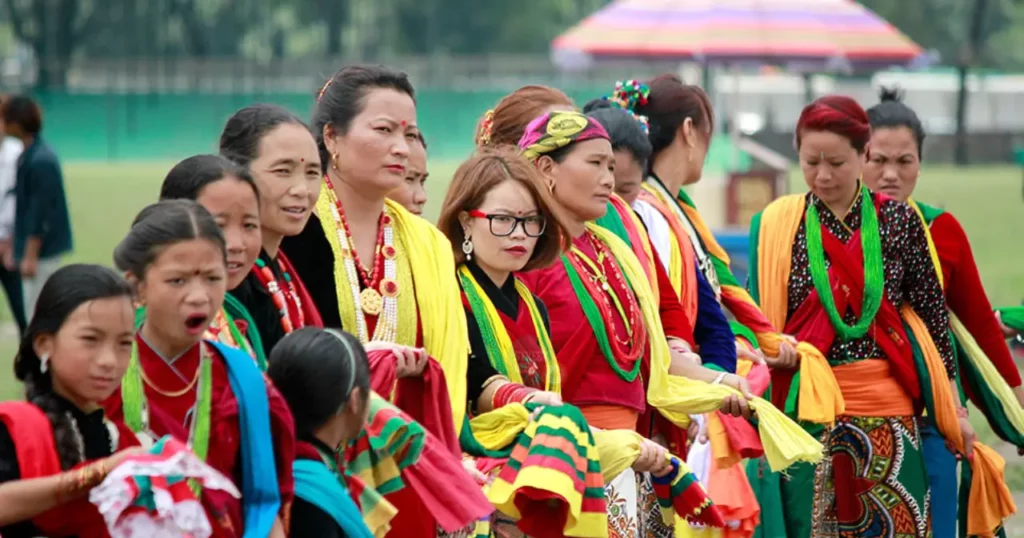
Their culture is filled with festivals so it’s delightful to watch as they include lively celebrations done with the iconic Kauda dance and Maruni where men dress like females and do cultural performances.
During the trek, if you coincide with any major Magar festivals then it will be a win-win situation as you will get to understand their culture and try delicious food like Bara, Tarul, and Kodo ko rakshi (local alcohol).
Tibetan influence
Some of the Annapurna Conservation Area is in touch with Tibet so you will get to see Tibetan influence in this region. As they are highly influenced by Tibetans even life style seem to be similar to Tibetan. From the monasteries to Buddhist traditions and festivals, Tibetan Buddhism has played a vital role in the lives of people, especially in terms of spirituality. The lanes are filled with prayer flags and monasteries.
Their Festival is celebrated with high enthusiasm around the prayer wheels, Mani walls, and gompas and they enjoyed their festival with Tibetan culinary delicacies throughout the festival.
Annapurna region is one of the famous treks in Nepal which helps to glorify the beauty of Nepal however Tibetan influence is there throughout the region. Some village in the Annapurna region like Manang is highly influenced by Tibetan so you will get to observe the Tibetan lifestyle throughout the trek.
Religious Faiths along the Trail
Annapurna base camp is filled with different castes and religions. Different castes like Brahmin, Gurung, Magars, Thakalis, and Lobas can be seen in the Annapurna region and more all follow different religions.
On the lower side of the Annapurna base camp trek, you will find predominant. On the way to Annapurna base camp, you will cross several small temples and shrines along with several natural places considered holy by the Hindus.
Even the Machhapuchhre Base Camp that you will be visiting has a Hindu significance as the fishtail peak is considered to be the home of Lord Shiva and is prohibited from climbing. So, the base camp is pretty much the closest you’ll get to it.

As you go up the hill you will see Hindu traditions are slowly replaced by Buddhism as the landscapes are filled with colorful flags, maniwalls, and several monasteries.
The constant presences of Chortens remind you of the pronouncement of Buddhism and while you are it, make sure to spin some prayer wheels and indulge in the peaceful vibe of Buddhism amidst the Himalayas. Another significant religion present in the trek is the Bon religion. Considered to be more ancient than Buddhism, the Bon religion is limited to only some places of Nepal of Nepal like Upper Dolpa but some Gurungs in the ABC trek still follow it.
Cultural interactions
While trekking the Annapurna base camp trek you will get to see some of the iconic views and experience authentic and memorable cultural experience of your lifetime. However, it has lost its charm because of the crowd but in some inner parts of the village, it still features high cultural values.
During the stay on the trek, you will find many Tea houses with a variety of accommodations options. But to experience the true local culture it’s better to stay in the Tea house or homestay.
During your stay, you will experience the true hospitality of the people living in the Annapurna region beyond the tourism industry. And you will be served with different local homemade meals and share their traditions and rituals. You can also participate in different programs and rituals make delicious food perform various activities like cooking and farming, and attend local events. You will be treated to a small culture show by the locals which will be memorable for a lifetime.
Apart from cultural encounters during the ABC trek, you can find traditional houses made with stones and woods, mud and colorful dotted with prayer flags or you can experience how they have lived their life in the Himalayas.
Local Festivals
Many festivals are celebrated in Annapurna base camp trek throughout the year where the region truly comes alive.
These festivals are celebrated throughout the country where every festival gives different vibes and vibrant colors. So during festival season if you trek the environment seems to be different and you can experience or understand the meaning of their festivals and how they celebrate those festivals so it can help to understand their culture and festivals.
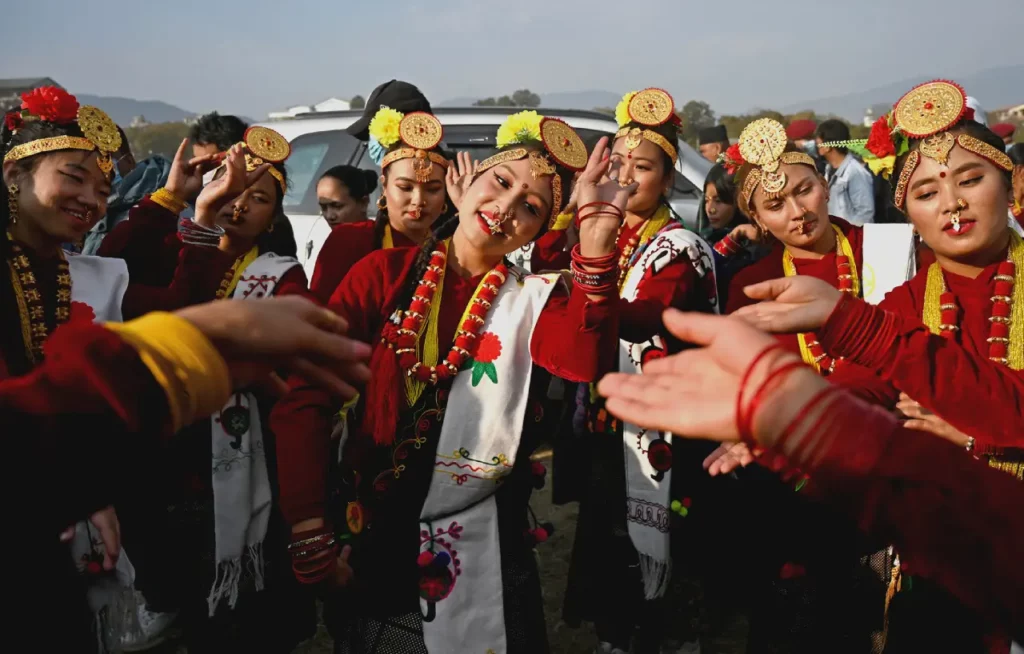
During festivals like Dashain and Tihar, you will see different rituals being carried out by different groups. A variety of cuisines will be made and served within the family and it helps to gather and share happiness they also perform different activities like dance, music, flying kites, and gatherings between families that come across all.
If you visit during Dashain you will see family members putting Tika (A mixture of Red colors with uncooked rice) from their elders and give them blessings and enjoy the festivals by flying kites and playing cards with their family whereas in Tihar you will see people worshipping dog, cows while decorating their house with oil lamps and colorful lights so during that time you will see the true essence of the cultural beauty of Nepal.
Religious and spiritual sites
Annapurna Base Camp Trek is one of the iconic sites for trekkers as you will experience many religious and spiritual sites specific to different religions.
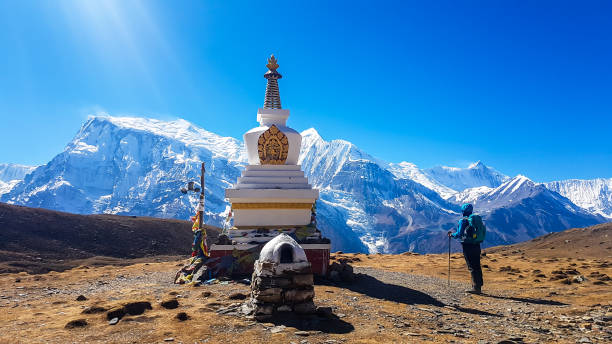
The religious sites in one of the major parts of the Himalayas are thrilled with breathtaking views and spiritual sites. The trail offers a range of small and large monasteries at each stop such as the Chomrong Monastery and the Jhinu Danda Monastery, even though this particular journey lacks major sites like Tengboche Monastery or Muktinath temple in the Annapurna circuit.