Ding Boche: The Perfect Acclimatization Stop on the Everest Trek

Everest base camp is one of the dream destinations for the trekkers. However, it is one of the toughest treks compared to Annapurna Base camp and another trek. It requires a proper mindset and physical apart from that it requires careful acclimatization to prevent altitude sickness. Ding Boche is the favorite place to take a rest for every trekker trekking at Everest Base Camp.
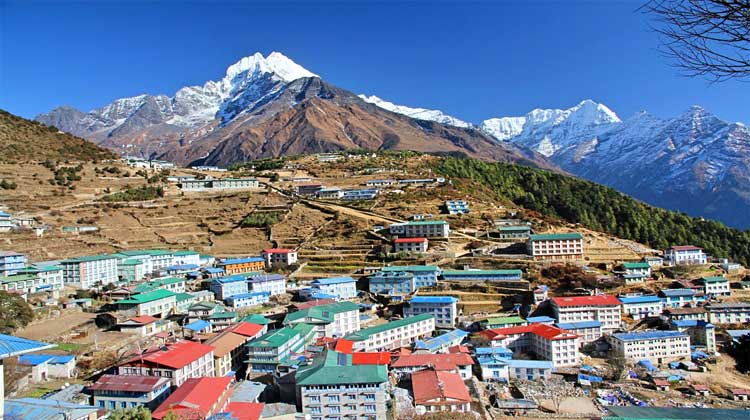
Ding Boche is a small village at 4420 meters and is one of the important stops on this route for the trekkers to have a proper rest and adjust to the higher altitude. It is located in the Khumbu region which offers breathtaking views and excellent day hike options for the trekkers to acclimatize.
Why dingboche is key for Acclimatization?
For Everest Base camp acclimatization is very much crucial. As trekkers reach beyond 3000 metres our bodies need to adjust oxygen levels. Dingboche is the second major stop for acclimatization following Namche Bazar. Staying here helps the trekkers avoid altitude sickness while heading to Lobuche and Gorak shep their bodies can adjust to the high altitude from which the trekking can be more enjoyable and memorable.
Stunning Views and Unique landscape
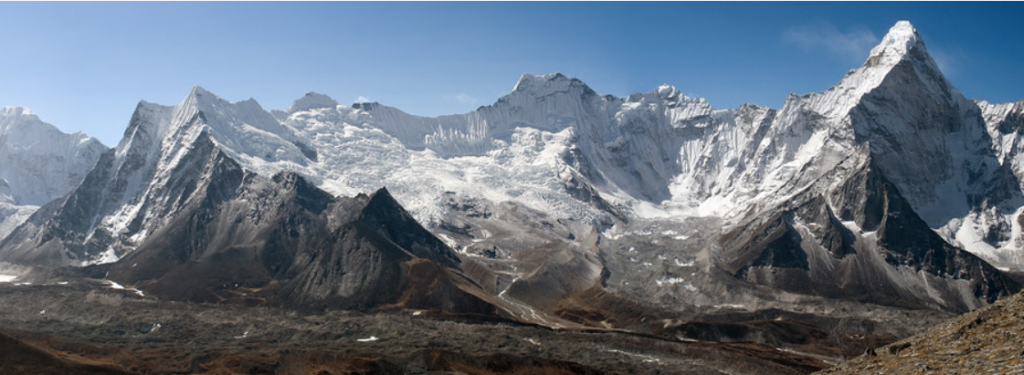
Ding Boche is more famous for its scenic beauty which offers breathtaking views and mountains. It is called the Summer Valley. Most of the villages are surrounded by rhododendron and pine forest whereas Dingboche lies in an open valley framed by some of the highest peaks. From the valley, trekkers can admire the south face of Lhotse, Ama Dablam, and the Island peaks.
Acclimatization Hikes around Dingboche
Acclimatization is one of the major steps while doing trekking for the Everest Base camp. The best way to acclimatize is to take short day hikes to higher elevations and then return to Dingboche for the night. There are so many popular hikes in Dingboche that are under:
1. Nangkartshang peak:
It lies above the Sherpa village of Dingboche (4350m) and offers breathtaking views of Ama Dablam(6812m), Lhotse(8516m), Makalu (8485m), Kantega(6782m), and Choyu i.e. 6160m.
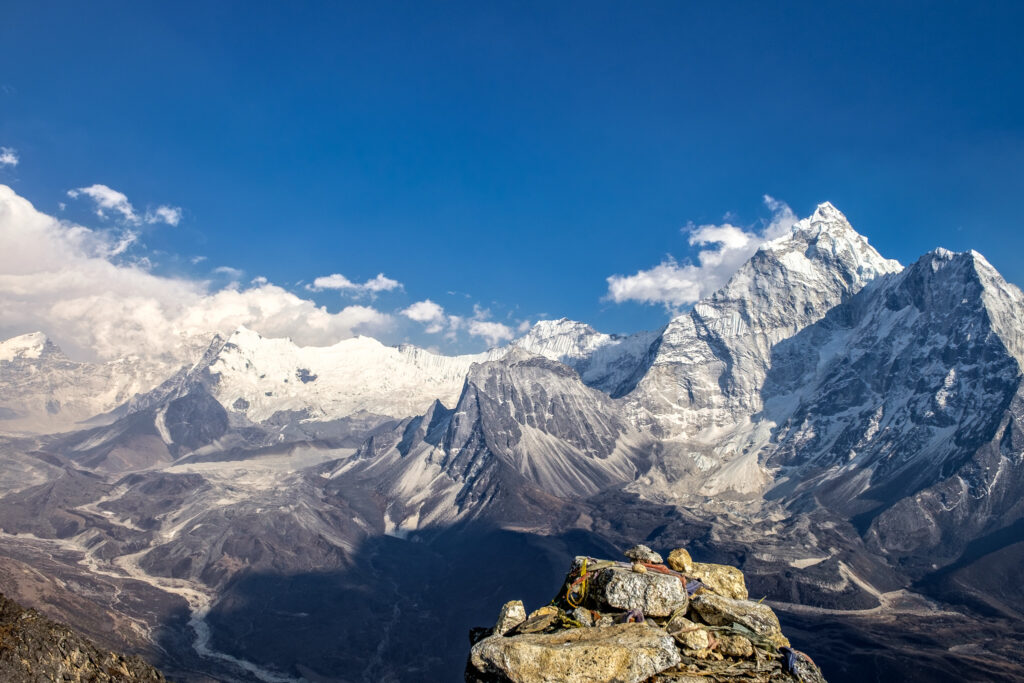
It is one of the easiest ascents which takes around 2 to 3 hours depending on the speed of the trekkers. Ama Dablam is one the most beautiful peaks in the Himalayas which can be seen from this point which defines the glory of the mountain. Most of the trekkers spend at least one or two days resting at Dingboche before heading towards Everest Base camp, Island Peak, or Kalapatthar.
2. Chukhung valley
It lies above 4730 metres (15,518 feet) which allows trekkers to experience higher altitudes without committing to the complete ascend to Lobuche. Chukhung Valley also offers breathtaking views of the island peak, Lhotse, and the surrounding glaciers which make Chukhung Valley more beautiful.
Amenities and comfort in Dingboche
Ding Boche offers several Teahouses and lodges equipped with basic facilities, warm rooms, and comfortable rooms where trekkers can enjoy a comfortable stay during the trek. The village also has some bakeries where trekkers can enjoy fresh bakery items like Apple pie or fresh bread enjoying the breathtaking views of Ama Dablam. Some Tea houses also provide fast internet service and solar-powered charging stations which make it easier for the trekkers to connect and capture some stunning images and surrounding peaks.
A Taste of Local Culture
Dingboche is also known as the Sherpa community because they have been living there for decades most of the local people are Sherpa’s in there. They are known for their rich cultural heritage and hospitality. Trekkers here can experience the culture of Sherpa and the way of living life by visiting monasteries and mani walls. Engaging with the locals helps to understand their religious practices and depth of experience which allows trekkers to appreciate the cultural significance of the Khumbu region apart from its natural beauty.
Tips for staying Healthy and safe in Dingboche
1. Hydration and Diet
At high altitudes drinking plenty of water is the combat of dehydration. There are several Tea houses in Ding Boche that serve a variety of meals including dal bhat which provides essential energy and nutrition for the trekkers.
2. Avoid Alcohol
At higher altitudes, it is very dangerous to have alcohol as it can worsen the dehydration and hinder the acclimatization process so it is better to avoid it until descent.
3. Listen to your body
When there is certain changes happen in our body our body always gives a certain signal so during that time we must listen to our body rather than avoiding it. If you feel altitude sickness such as headache, nausea, or dizziness it is better to take a proper rest, and if the symptoms worsen descend to a lower altitude.
Continuing the journey: From Ding Boche to Lobuche
After a restful stay in Dingboche usually, trekkers continue their journey to Lobuche (4940 meters) followed by Gorak Shep (5164 meters). This high altitude will examine the health and stamina of the trekkers and acclimatization even further. However gradual increase from Ding Boche helps them for the final stretch.
For the Trekkers Dingboche helps to grow their stamina while reaching to Everest base camp. Dingboche provides a psychological as well as physical break helping them to be more confident as they continue their ascent. Spending time here in Dingboche can be more enjoyable and fruitful for the trekkers setting a positive tone for the journey.
Best Time to visit Dingboche
Aligning with the best time to trek for the Everest base camp trek, the most suitable time to visit Dingboche is also the month of spring i.e. March to May, and Autumn, September to November
During this season the sky seems to be clear, with moderate temperature and booming flora with the active fauna which will make the Himalayan experience unforgettable.
On one hand, the trekkers can enjoy the good weather, and they also don’t need to worry about shivering in the cold unlike the extreme winter and extreme summer. Even there is less chance of slipping in the land and tripping is also less compared to the monsoon.
These seasons are also the busiest seasons where Dingboche will experience a lot of traffic so it is better to brace yourself to tackle the hustle and bustle and experience a famous acclimatization stop.
Conclusion
Ding Boche is just not a stop however it is a path to Everest Base Camp. It is a place where trekkers can rest during the trek, acclimatization, cultural immersion, and breath-taking views of the mountain and enjoy some scenic views of the island as well. By taking time to acclimatize it reduces the risk and helps to explore or understand the local area, culture, and diversity. Even trekkers can significantly improve their chances of a safe journey to EBC.
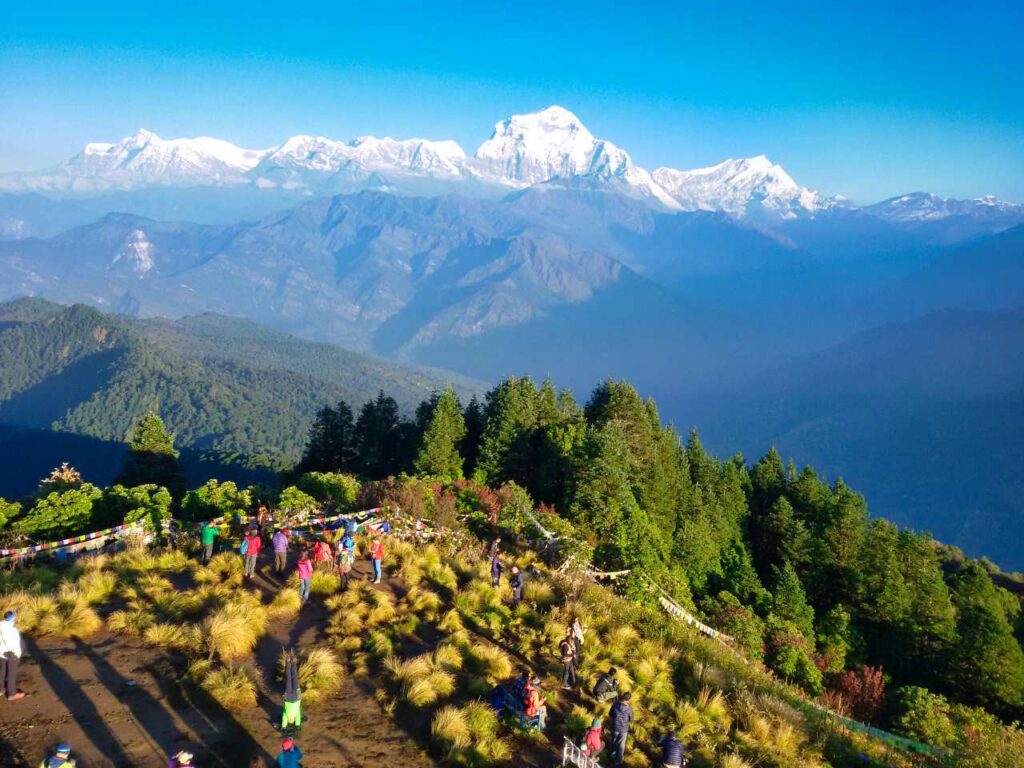
Dingboche is more than just a stop along the way to Everest Base Camp. It’s a place for rest, acclimatization, cultural immersion, and breathtaking views of some of the world’s highest mountains. By taking time to acclimatize and explore the surroundings, trekkers can significantly improve their chances of a safe, successful journey to EBC. Dingboche is a reminder of the importance of patience and resilience—qualities that are as essential to the trek as physical strength and endurance.