Exploring Kyanjin Ri: Best Himalayan Viewpoint in Langtang

Nepal is arguably the best place in the world to go trekking, with a variety of trekking routes that fit different types of hikers. The hike to Kyanjin Ri, the best viewpoint in the Langtang area, is one of these fantastic trekking routes.
Trekkers seeking breathtaking mountain vistas, culturally interesting experiences, and a moderate level of difficulty may definitely consider exploring Kyanjin Ri.
Because it offers stunning views without requiring the intense physical exertion of higher-altitude adventures, this trek will give you a profound Himalayan experience.
For those who are new to Kyanjin Ri, we have prepared a thorough guide in this blog. We cover all you need to know to confidently go off on your expedition, from the trekking schedule and ideal seasons to necessary packing lists and cultural highlights.
Knowledge of Langtang Valley and Kyanjin Ri
Let’s start by determining Kyanjin Ri’s precise location. This viewpoint is situated at a reasonable elevation of 4,773 meters (15,655 feet) and is part of Langtang National Park.
At this altitude, it offers a wonderful viewpoint while still being reachable by the majority of hikers. The fact that this place is only 80 kilometers north of the Kathmandu Valley makes it quite accessible as well.
Natural beauties abound in the Langtang Valley itself. Numerous glaciers sculpt the topography, supplying crystal-clear rivers that meander through verdant woodlands and rugged landscapes.
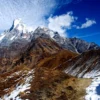
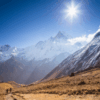
The skyline is dominated by towering peaks like Langtang Lirung, which create an image of wild, unadulterated beauty. Additionally, you may obtain a 360-degree panoramic view of peaks like Dorje Lakpa (6,966m), Yala Peak (5,500m), and Langtang Lirung (7,227m) from Kyanjin Ri.
The Tamang people, an ethnic minority with a rich cultural legacy, also call the valley home as you go to Kyanjin Ri. The expedition is given a unique depth by their warm hospitality and distinctive customs.
The Kyanjin Gompa, a centuries-old monastery that serves as a calm haven for hikers and is a witness to the people’ spiritual commitment, is a notable attraction near Kyanjin Ri. It’s a crucial place for acclimatization as well.
How Can I Get to Kyanjin Ri?
The Langtang Valley Trek often includes the journey to Kyanjin Ri. The trek begins with a 7–8 hour bus or jeep ride from Kathmandu to Syabrubesi, the starting site of the Langtang Valley Trek.
The hiking route from Syabrubesi passes via places like the Lama Hotel and Langtang Village. From there, it continues through verdant woods, Tamang villages, and alpine meadows until arriving to Kyanjin Gompa, one of the sacred sites in Nepal’s Himalayas.
After arriving at Kyanjin Gompa, you can easily trek the 4–6 hour round-trip, difficult, and steep Kyanjin Ri. Nevertheless, the trip is equally worthwhile because you will be treated to a breathtaking view of the Himalayas.
The Ideal Time to Go to Kyanjin Ri
One of the main reasons to travel to Kyanjin Ri, a viewpoint in Nepal’s Himalayas, is to take in the breathtaking views that are available from this location. As a result, choose a season that works for it.
The months of March through May are the greatest times to visit Kyanjin Ri because of the pleasant weather and the blooming rhododendron forests. The weather will be moderate, and you will be able to see the mountains clearly.
The highest visibility and regular weather make the fall months of September through November the second-best time of year. But since this is Nepal’s busiest hiking season, there will be a lot of people there.
You will feel quite chilly at an elevation as high as Kyanjin Ri during the hard winter months of December through February. On the good side, though, you will be able to see snowfall and landscapes covered with snow.
When trekking in Nepal, it is better to avoid the monsoon season, which lasts from June to August. This time of year is characterized by muddy routes, heavy rain, and poor visibility. Leeches, landslides, and obstructed pathways make this the worst time of year.
Preparing for Trek to Kyanjin Ri
Physical Health and Training
Since trekking is a physical activity that your body must be ready to handle, physical fitness is essential for a successful journey regardless of the type you are doing.
You will still be hiking for several hours every day in high altitude regions even though the Kyanjin Ri trip is regarded as a moderate adventure. To achieve basic physical fitness, you should therefore begin your preparations at least three months in advance.
To improve your stamina when exercising, concentrate on cardiovascular activities like cycling, swimming, and running. Strength training is another way to get your legs ready for the uphill hikes.
Make use of your back, shoulders, calves, and core muscles. This is crucial because you will be carrying a lot of weight on your back while making difficult ascents.
Essentials of Packing
It’s crucial to bring the appropriate equipment for the hike. Since you will be traveling to distant areas of Nepal where things might not be easily accessible, you must be careful not to overpack while also making sure you don’t forget any necessities.
To be sustainable and adjust to changing climates, choose clothing that is lightweight, layered, and ideally convertible. Invest in a sturdy backpack, a cozy sleeping bag, and a decent set of trekking boots.
It may be useful in any medical emergency to have a well-stocked first-aid bag with drugs for altitude sickness and other common ailments. The secret is to pack lightly but sensibly, giving priority to necessities.
Health and Acclimatization
Anybody can get altitude sickness, regardless of their degree of fitness or level of previous trekking experience. It is crucial that you become acquainted with the symptoms, which include headaches, nausea, and dyspnea.
As soon as you notice any symptoms, drop to a lower altitude. Because these symptoms can quickly become hazardous and frequently result in major problems like High Altitude Pulmonary Edema and High Altitude Cerebral Edema, it is important to take AMS seriously.
What Can You Expect from a Trek Up Kyanjin Ri?
One of the highlights of your trekking adventure will be the numerous unusual attractions you encounter while exploring Kyanjin Ri. The following list includes a few of the Kyanjin Ri Trek’s main attractions:
Scenery & Landscape
The hike to Kyanjin Ri passes through some of the most breathtaking scenery, including verdant woods, tumbling rivers, and alpine meadows. As you go higher, the scenery changes to rocky terrain and glaciers.
The path meanders alongside swift-moving rivers, over suspension bridges, and through thick woodlands. A taste of the Tamang people’s traditional way of life can be found in the villages along the route.
Although the scenery is equally breathtaking, Kyanjin Ri offers a panoramic vista that is just unmatched. A stunning view of peaks including Yala Peak (5,500m), Dorje Lakpa (6,966m), and Langtang Lirung (7,227m) can be seen from this viewpoint.
This hike is a nature lover’s and photographer’s dream come true because of the breathtaking Langtang Valley, deep canyons and crevasses, and gorgeous hanging glaciers.
Experience with Culture
On the route to Kyanjin Ri, you should anticipate being exposed to different cultures. The communities along the path that have Tibetan and Tamang influences are kind and hospitable.
The traditional stone homes, Buddhist prayer flags, and chortens (stupas) you encounter will captivate you since they provide an insight into the way of life in the Himalayas.
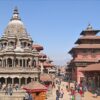
Visiting Kyanjin Gompa, an old Buddhist monastery where hikers can see monks singing prayers and spinning prayer wheels, is one of the trek’s highlights.
What really makes the experience at Kyanjin Ri unique is the sound of tolling bells and flying prayer flags combined with the breathtaking panoramic views. The Kyanjin Cheese Factory, founded in cooperation with Switzerland, produces the region’s famous yak cheese. You must try fresh yak cheese!
Animals and Plants
You will encounter a diverse range of wildlife throughout the trip to Kyanjin Ri, which travels through one of Nepal’s protected areas. The time of year you are trekking can have an impact on how you interact with the wildlife.
A range of wildlife, including the elusive red panda, Himalayan black bear, Himalayan tahr, snow leopards, langurs, and several bird species, may be found at Langtang National Park, which is traversed by the trek’s lower portions.
As rhododendron woods bloom throughout the Himalayas, especially in the spring, you will witness a riot of color along the hiking route. The mountain pastures will be brilliant in the fall.
The trek’s upper altitudes are home to unusual vegetation, such as alpine shrubs and dwarf junipers, which have adapted to the severe Himalayan climate.
Rules and Permits
Since the majority of Nepal’s treks take place inside national parks or conservation areas, entry to these regions requires certain permits. The following permits are required in order to hike to Kyanjin Ri:
The permit to enter Langtang National Park is known as the Langtang National Park Entry Permit. (NPR 3,000 for foreigners, NPR 1,500 for SAARC nations, and free for Nepali citizens) It costs about USD 30 per person. The Langtang region’s conservation efforts are financed in part by this permission.
Every hiking path in Nepal requires the TIMS Card (Trekkers’ Information Management System), a mandatory authorization. Depending on whether you trek individually or with an agency, the price ranges from $10 to $20 USD. By keeping data, TIMS assists in tracking the hikers and guarantees their safety.
These permits are available at the Nepal Tourism Board Office in Kathmandu or at the Dhunche park entrance. Your permits will be handled by Ace the Himalaya, a reputable local trekking agency, when you hike with them.
Problems with Trekking and How to Solve Them?
There are fewer teahouses and facilities in Langtang than in the Everest region. Therefore, you should learn to adapt to having fewer amenities and be ready with all of your need.
Strong winds and snowfall are only two examples of the abrupt weather changes that may make trekking challenging in the Himalayas. As a result, you should always check the weather prediction.
You must train well in preparation because the ascent to Kyanjin Ri is steep and physically taxing, requiring high levels of fitness.
When the hike reaches 4,773m, headaches, lightheadedness, and nausea are possible side effects. Acclimatization must be done correctly.
Other Paths and Extensions
There are a number of additional locations in the Langtang Valley and surrounding area that visitors who wish to venture outside of Kyanjin Ri can visit. A few of these are listed below:
Ri Tserko (4,984m)
There aren’t as many obstacles or difficulties on the way to Kyanjin Ri. Hiking up to Tserko Ri, however, is a fantastic choice if you’re looking for a more difficult climb with even more expansive views.
Once you get to Kyanjin Ri, the trip to Tserko Ri is not too difficult. An early start is necessary because the round-trip time from Kyanjin Gompa is just about 5 to 6 hours.
Once you get to Kyanjin Ri, the trip to Tserko Ri is not too difficult. An early start is necessary because the round-trip time from Kyanjin Gompa is just about 5 to 6 hours.
Trek Gosaikunda
Consider continuing your hike towards the holy Gosaikunda Lake, which is well-known for its tranquil alpine beauty and Hindu pilgrimage significance, if you wish to add a spiritual component to your adventure.
In addition to taking in the breathtaking views of the lake and the reflection of breathtaking mountain peaks, you will be able to experience the spiritual tranquility that this place has to offer.
The Tamang Heritage Trail
By taking a diversion along the Tamang Heritage Trail, which passes through traditional villages, hot springs, and beautiful scenery, you may further immerse yourself in the rich Tamang culture and delve deeper into Langtang Valley culture.
The Helambu Trek
The Helambu Trek, which links Langtang with the Helambu region, is a short but picturesque extension of the Langtang Valley Trek. It offers a variety of Buddhist monasteries, verdant forests, and breathtaking mountain backdrops.