Festivals in Nepal – A Celebration of Culture & Tradition
Introduction
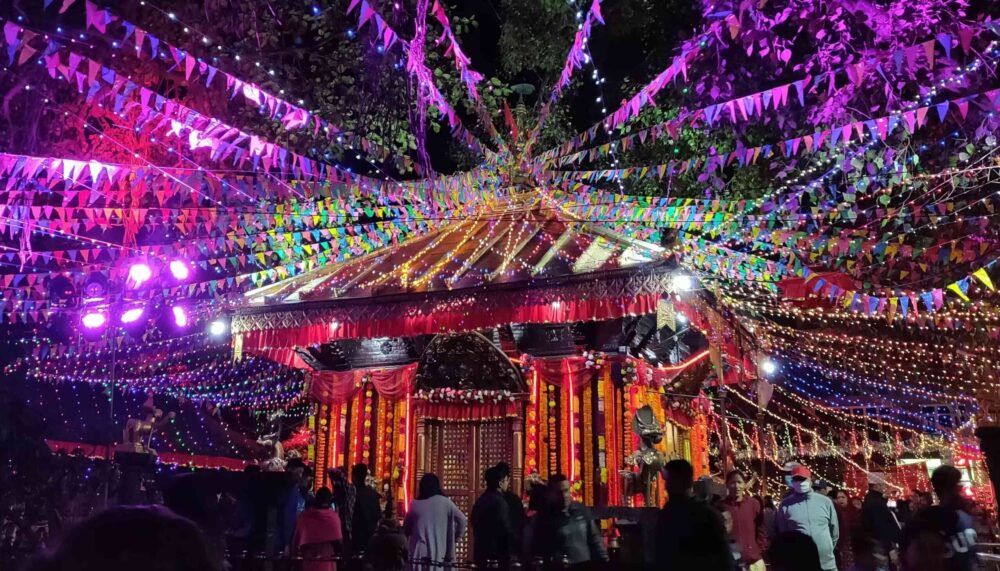
Nepal is a nation renowned for its beautiful landscapes and rich cultural heritage which are closely linked with colorful festivals. These festivals in Nepal are the basic reflections of the country’s identity, history, and culture. Nepal is a multicultural country and the festivals in Nepal reflect the harmonious integration of various ethnic groups and religions.
Nepal’s rich cultural heritage is enriched by its distinct ethnic communities and religions, mostly Hinduism and Buddhism. This diversity is vividly showcased in the country’s festivals, which are celebrated joyfully. Festivals are often combined with social activities with religious ceremonies, preserving long-lasting traditions and fostering coordination across the communities.
In Nepalese society, festivals have high importance because they provide a platform for social bonding, cultural preservation, and spiritual contemplation. Festivals serve as a platform for communities to unite and celebrate common goals while respecting their unique customs.
Additionally, festivals are essential to maintaining agricultural legacy. Numerous festivals are connected with the harvest cycle. Each community of Nepalese people celebrates different festivals that contribute to the nation’s rich tapestry. For example, Hindu celebrates festivals like Dashain, newar celebrates festivals like Indra Jatra, and Buddhists celebrate Buddha Jayanti.
Major Hindu Festivals in Nepal
Among many festivals in Nepal, Dashain, Tihar, Holi, and Teej are the major events that unite people and highlight the country’s distinct identity.
Dashain

In Nepal, Dashain also known as Vijaya Dashami is the greatest and largest celebrating festival. In Hindu mythology, Dashain is celebrated for 15 days in September or October representing the victory of good against evil. It is celebrated to remember Goddess Durga’s victory over the demon Mahishasura. Festivals in Nepal especially Dashain serve as a time for boosting family bonding. The festival begins with Ghatasthapana, which involves placing holy containers made of saal tree leaves to grow jamara (barley or maize seed) as a symbol of fortune.
On the seventh day, Fulpati is celebrated by holding a ceremonial procession gathering sacred flowers and leaves offered to the Goddess Durga. Maha Astami and Maha Navami include rituals such as scarification of animals particularly goat and buffalo to honor Goddess Durga. Finally on Vijaya Dashami younger family members receive blessings from elders for their success and good health. Elders apply a tika ( a mixture of red color powder combined with rice and yogurt) on the forehead of the younger.
Flying a kite during Dashain is a popular activity that symbolizes joy and freedom. Kojagrat Purnima, a day committed to worshiping Goddess Laxmi for prosperity and abundance, marks the end of the festival. People of various ethnic backgrounds and geographical locations celebrate Dashain with similar enthusiasm. Its universal appeal lies in its emphasis on unity, renewal, and gratitude, making it a cornerstone of Nepalese culture.
Tihar
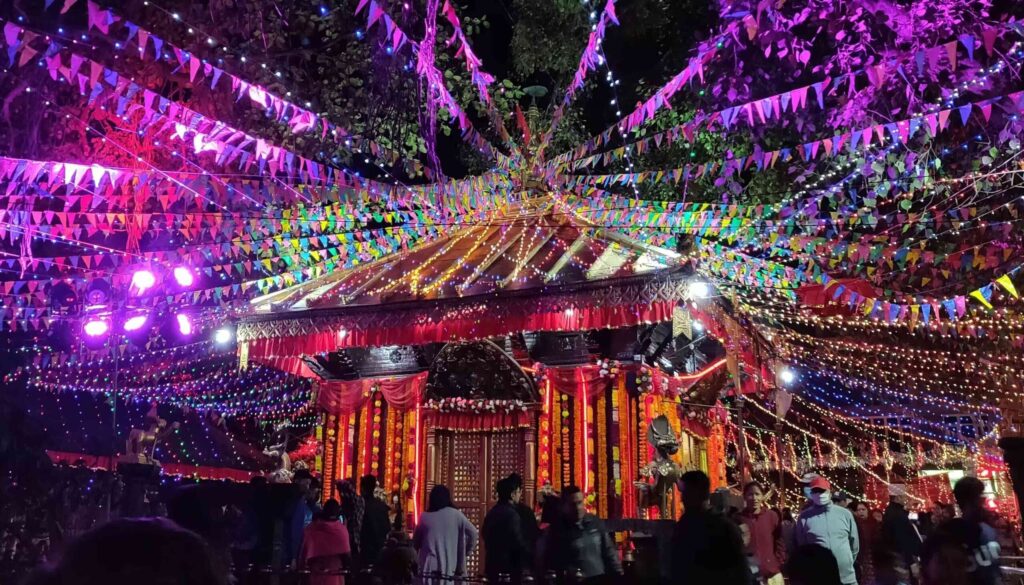
Tihar also known as Deepawali, the festival of lights lasts five days and comes after the Dashain festival in October or November. This festival praises the animals that have symbolic significance in Hinduism while celebrating light, wealth, and family bonding. Each day of Tihar is devoted to specific rituals:
Kaag Tihar:
The first day of Tihar is dedicated to crows, messengers of Yama, the god of death. According to Hindu mythology, crows are said to bring messages and their cawing indicates either good or bad. To honor them rice, grains, and sweets are offered on the rooftops of many households early in the morning.
Kukur Tihar
On the second day, dogs are honored for their loyalty and guardianship. In Hinduism, dogs are considered the vehicle of Bhairav, a strong avatar of Lord Shiva connected to Yama. During kukur tihar, dogs are decorated with mala and offered delicious meals. This ceremony honors unwavering partnership and dedication to humanity.
Laxmi Puja & Gai Tihar:
The third day is divided into two significant rituals. In the morning, cows are worshipped. They are adorned with mala, fresh grass, and tika applied to their foreheads.
In the evening Goddess Laxmi is welcomed into houses. To invite blessings doors are left open, rangoli are made and diyas (oil lamp) are used to light the houses. To celebrate abundance, people sing bhai and light fireworks.
Gobardhan Puja
On the fourth day, oxen essential for farming and agriculture are worshipped. Farmers decorate their oxen, offer treats, and express appreciation for their hard work.
Bhai Tika
The final day is Bhai Tika( seven colored tika) which celebrates the precious relationship between siblings. Sisters perform rituals for the long lives of their brothers by putting seven colored tika on their forehead, mala made of marigolds and gomphrena on their neck, and praying for their well-being. Brothers give gifts and promise protection for their sister.
Tihar festival in Nepal is the most beloved festival because of its colorful lights and heartfelt rituals. It not only promotes affection between family members but also honors the animals that are indispensable in daily life.
Holi
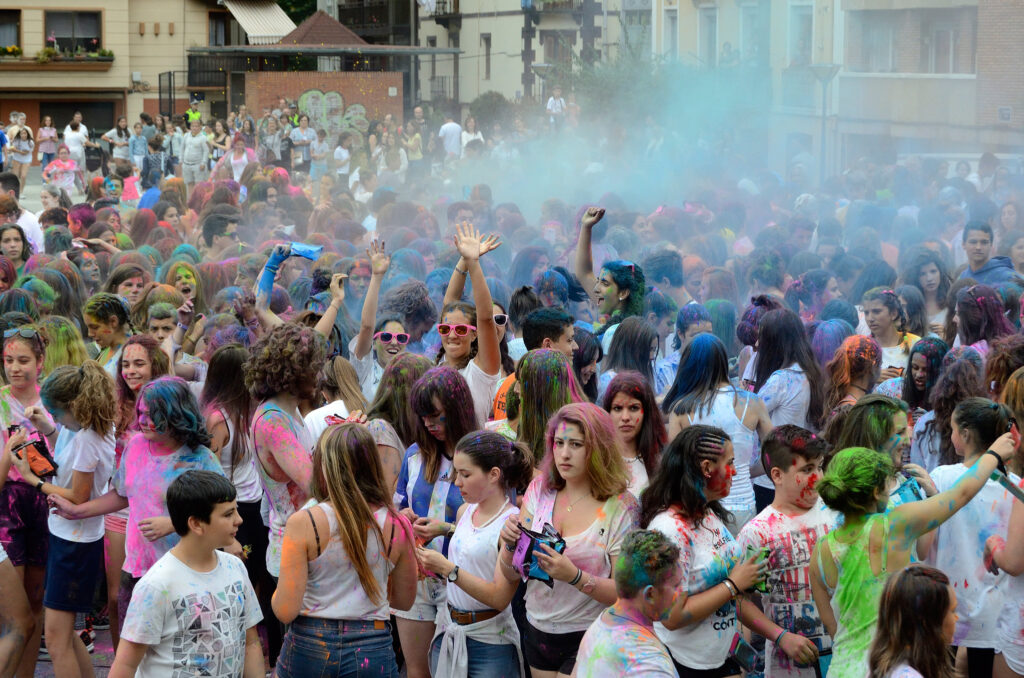
Holi also known as Fagu Purnima is the most joyous festival in Nepal celebrated during March on the full moon day. Holi known as the festival of colors, marks as arrival of spring and represents peace, love, and victory over evil. The burning of the holika symbolizes the win of faith over hate in Hindu mythology.
The celebration begins with Holika Dahan, where the bonfires are set up to chase off negativity. The next day is marked as vibrant festivities where people sprinkle each other with colorful powder and balloons filled with water. The day also includes dancing to music in public areas. People in Kathmandu Valley build bamboo poles known as chir which is decorated with multiple strips of colored cloth.
In Nepal, holi crosses the religious lines as people from diverse communities participate in these celebrations. These festivals foster harmony among diverse groups while spreading joy.
Teej
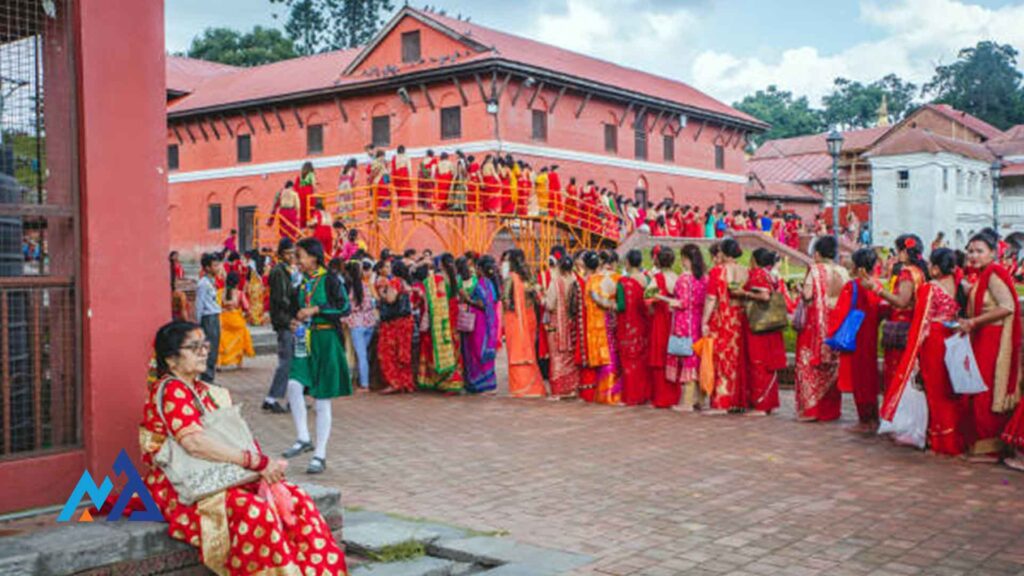
Teej is a special festival in Nepal that is dedicated to women’s health and marital happiness. Teej is the festivals that hold high cultural significance as it reflects Goddess Parvati’s devotion to Lord Shiva celebrated in August or September. The festival begins with dar khane din, where women enjoy a special feast before fasting on the following day for their husband’s long life and marital happiness.
On the day of teej, women dressed in a sari adorn themselves with jewelry before visiting the temple of Lord Shiva and Goddess Parvati with prayers, flowers, and oil lamps. They spent the day singing and dancing to traditional Teej songs that tell the stories of sacrifice and love.
The festival concludes with Rishi Panchami, where women perform rituals to purify themselves from crime and ask for blessings for the welfare of their families. Besides its religious importance, Teej is a powerful representation of women’s empowerment, as it unites women in the celebration and strengthens their determination and social connections.
Buddhist Festivals in Nepal
Buddhist Festivals in Nepal including Buddha Jayanti, Losar, and Mani Rimdu are reflections of the country’s religious heritage through rituals. These celebrations emphasize compassion, enlightenment, and cultural unity.
Buddha Jayanti
Buddha Jayanti celebrated as Buddha Purnima, marks the birth, enlightenment, and death of Siddhartha Gautam held on the full moon day of Nepali month Baishakh. The festival honors three significant events in his life including his birth in Lumbini, Nepal; his enlightenment under the Bodhi Tree in Bodh Gaya, India; and his death in Kusinagar, India.
Buddhism teaches the lessons of harmony, wisdom, and compassion. In Nepal, devotees travel to holy locations such as Bouddhanath,Swoyambhunath, and different monasteries where monks perform prayers, meditation, and charity-giving ceremonies. The major part of charity is to offer food, medication, and clothing to orphanages and marginalized peoples. Buddha Jayanti is a pillar of Buddhist identity that unites people worldwide spiritually while emphasizing spiritual practices and honoring cultural heritage. The celebration is a reminder of Buddha’s lasting legacy and reflection.
Lhosar
Lhosar, the Tibetan New Year, is celebrated by the Sherpa, Tamang and Gurung communities in Nepal. Lhosar festival follows a 12-year animal cycle that combines spiritual renewal with cultural pride. Loshar highlights the respect for elders and appreciation of the community
Gyalpo Lhosar: which usually falls in February or March according to the Tibetan calendar, is celebrated by Sherpa communities as the time for restoration. Sherpa celebrates the festival by cleaning houses, visiting monks, and dancing as a means of fighting negativity. People gather together for family meals wearing their traditional attire. The festival is celebrated by dancing, offering water spirits, and consuming delicious food including Guthuk and fermented barley beer.
Sonam Lhosar: is celebrated by Tamang communities and falls in January second full moon in the lunar calendar. As the second largest ethnic community. In these festivals, Nepal plays an important bridge between the Tibetan heritage and indigenous culture. Families show gratitude to the departed souls of their loved ones and ancestors at Indra Chowk, where the statue of Akash Bhairab is present
Tamu Lhosar: is celebrated by Gurungs in December or January by portraying prayer flags at holy locations like Swoyambhunath. Traditional dance of the Gurung community, Ghatu is also practiced in feats containing local alcohol.
Newari & Cultural Festivals
Indra Jatra
Indra Jatra is the biggest street festival celebrated in Kathmandu for eight days in September by the Newar community. The jatra was started by Gunakamdev in the tenth century to praise the establishment of Kathmandu. The festival begins with putting a large pine pole at Kathmandu Durbar Square, indicating Indra’s flag gifted by Vishnu. The highlight of the jatra is the dances of devotees such as Majipa Lakhey and Pulukishi, accompanied by drumming and the wheeled walks of Lord Ganesh, Bhairab, and the Living Goddess Kumari.
Gai Jatra
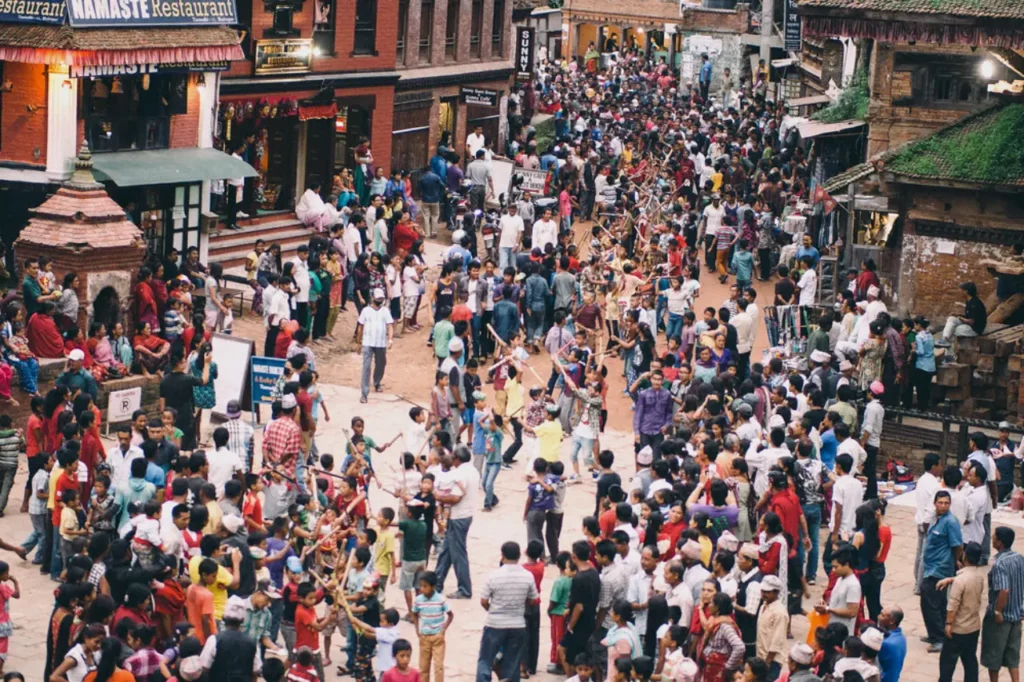
Among festivals in Nepal, Gai Jatra is celebrated by Newar communities in the Kathmandu valley and honors deceased family members through a unique blend of humor and rituals. The festival is first held in the seventeenth century by King Pratap Malla to console his queen after the death of their son, turning sadness into a fun festival.
Families parade through the street drumming and dancing while dressing their kids in cow costumes. Gai Jatra is an integral part of culture due to its fun and ability to unite people, highlights Nepal’s ability to face death with fun and unity.
Mha Puja
During Mha Puja which falls on Kartik Sukla Pratipada, the Newari people make mandalas, or sacred designs for every member of the family to signify the universe and harmony of the elements. This festival is all about self-purification-cleaning the mind and body and thanking life’s simple things. The eldest female applies tika and distributes offerings through the ceremony.
Unique & Regional Festivals
Chhath Puja
Chhath Puja is mostly celebrated in the Terai region of Nepal and is a four-day-long Hindu festival. This festival in Nepal focuses on the worship of the sun and Chhathi Maiya (his sister). It starts on Kartik Shukla Chaturthi and is celebrated 6 days after Tihar. The woman follows strict rituals including taking holy baths, fasting, and making sweets like thekuwa. They offer fruits, milk, and thekua to the rising and setting sun.
Maghe Sankranti
Maghe Sankranti is known to signify the beginning of warmer days and the end of the winter. It is celebrated on January 14. Devotees worship the Surya offering ghee, sweet potatoes, and sesame laddu as the symbol of comfort and strength. The Tharu and Magar community celebrates this as their new year.
Janai Purnima & Raksha Bandhan
Janai Purnima is celebrated by Brahmins and Chhetris which involves replacing janai after the Holi bath and Vedic ceremonies. While in Raksha Bandhan sisters tie protection threads on the hand of their brother.
Why Festivals in Nepal Are Special
Festivals in Nepal are the blends of religious, cultural, and historical significance that promote social harmony and community involvement. Nepal’s multireligious identity is appear in festivals like Dashain and Buddha Jayanti, which combine Buddist, Hindu, and indigenous traditions. For example, Dashain symbolizes the victory of good over evil through worshipping goddess Durga while Chhath puja in terai honors the Sun.
Festivals in Nepal unite families and communities together despite their ethnic boundaries. Additionally, festivals help to preserve ancient traditions while bringing people together through music, dance, and feasts.
Best Time to Experience Nepalese Festivals
The best time to experience the festivals of Nepal is during the autumn and spring, when the season is refreshed and major celebration occurs such as Dashain, Tihar, Holi, etc.
- Autumn is surrounded by festive energy, the ideal time to witness the Dashain festival.
- Springs bring Holi, an array of colors, and joy.
Tourist can participate in the festivals, wear the traditional attires and enjoy the festive food. Deeper understanding can be gained by visiting the temples like Pashupatinath during Maha Shivaratri. Through homestays visit tourist will gain some opportunities to explore local festivals and traditions of different ethnic groups with the view of beautiful Himalayas.
Conclusion
Nepal is a beautiful country full of colorful and joyful festivals, where people of different religions and cultures come together and celebrate. These festivals proves as a great time to enjoy and also a way to keep traditions alive some of which are centuries old and make bonds stronger among friends and families. Be it grand celebration of Dashain, the bright lights of Tihar, or the exciting colors of Holi, each festival has its own special meaning and importance.
These festivals feels like being in a world full of music, cheerfulness and tradition. Watching the chariot of Indra Jatra running through streets, feeling the love and warmth of Dashain, or joining the fun of Holi makes lasting memories. Nepalese people welcome everyone openly, making sure no one feels left out.
As the world moves forward, Nepal has managed to keep it culture strong while also managing to welcome change. Festivals are the soul of the nation, reminding people of their culture, their roots and shared history. If you ever want to feel the true spirit of Nepal, come during festival time and witness why this small country is so special in the world.