Top 10 UNESCO World heritage sites of Nepal
Nepal is a landlocked country surrounded by two giant nations of the world, China and India. Beyond this Nepal is rich in its tradition, culture, and tradition. The culture, tradition, different rituals, and natural beauty reflect its significance to the international community. From cultural to natural there are 10 UNESCO World Heritage Sites that highlight Nepal’s history, diverse ecosystems, and artistic brilliance.
The different heritage sites of Nepal are not only significant but also reflect Nepal’s culture, tradition, and rituals. They are globally recognized for their architectural value. Among them Durbar Square, Swoyambhunath, Pashupatinath, and Lumbini are cultural and religious heritage sites, while Chitwan National Park and Sagarmatha National Park are natural treasures. The old temples, palaces, and vibrant Newari culture reflect Nepal’s architecture and cultural heritage.
The government and other social welfare organizations and locals are actively participating in promoting and preserving these heritage sites. Later these heritage sites are enlisted in UNESCO World Heritage site for its preservation and promotion all over the world.
These heritage sites of Nepal hold historical, cultural, and ecological significance and offer a unique journey through Nepal’s diverse landscapes. Whether it’s exploring the architecture of ancestors trekking in the shadow of the world’s highest peak, or visiting the serene birthplace of Buddha in Lumbini, each site invites travelers to immerse themselves in Nepal’s beauty.
While these sites are spread across the country, most are located in or around Kathmandu, making it easy for visitors to experience multiple landscapes in a single trip. These UNESCO World Heritage Sites continue to inspire pilgrims and tourists all over the world offering them a deep connection to Nepal’s history, culture, and natural diversity.
List of UNESCO heritage sites of Nepal
1. Kathmandu Durbar Square
Kathmandu Durbar Square is one of Nepal’s most important heritage sites of Nepal located in Kathmandu, which was once the royal palace of the Malla kings and later the kings of the Shah dynasty. It is filled with beautiful temples, and monuments, showcasing the Newari style of architecture. The most attractive are Taleju Temple, Vishnu Temple, and Kumari Ghar. Kumari Ghar is home to the goddess Kumari who is worshiped as a living goddess in Nepal. Kathmandu Durbar Square has been a center for celebrating royal ceremonies, Nepali festivals, and political events for centuries.
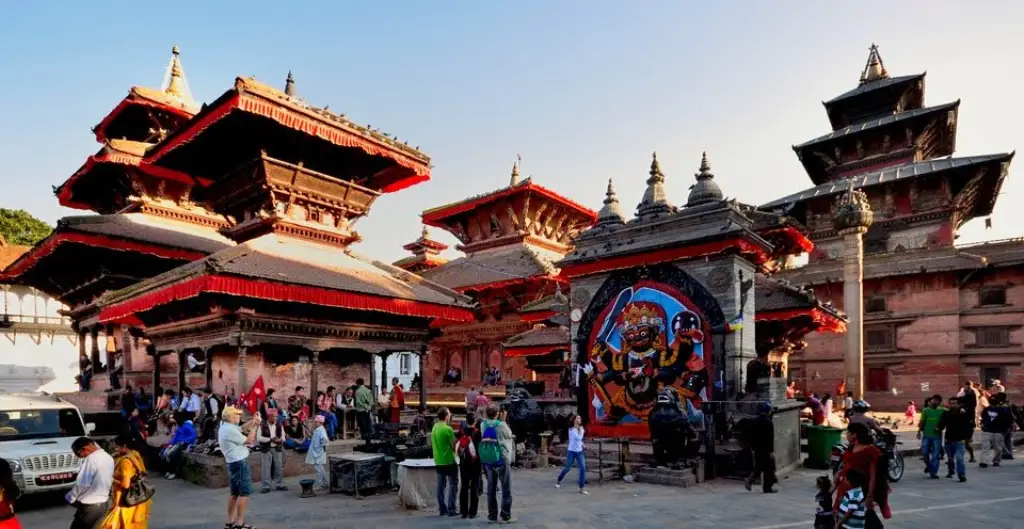
In 2015, a devastating earthquake caused significant damage to the site, but later restored to its original condition. Kathmandu Durbar Square was enlisted as a UNESCO World Heritage Site in 1979 AD, which draws the attention of millions of visitors from around the world to experience the history, culture, and architecture of Nepal. Exploring the beauty of Nepal with the history of Nepal along with different natural landscape of Kathmandu – Nagarkot – Chisapani trek which offers mesmerizing view.
2. Patan Durbar Square
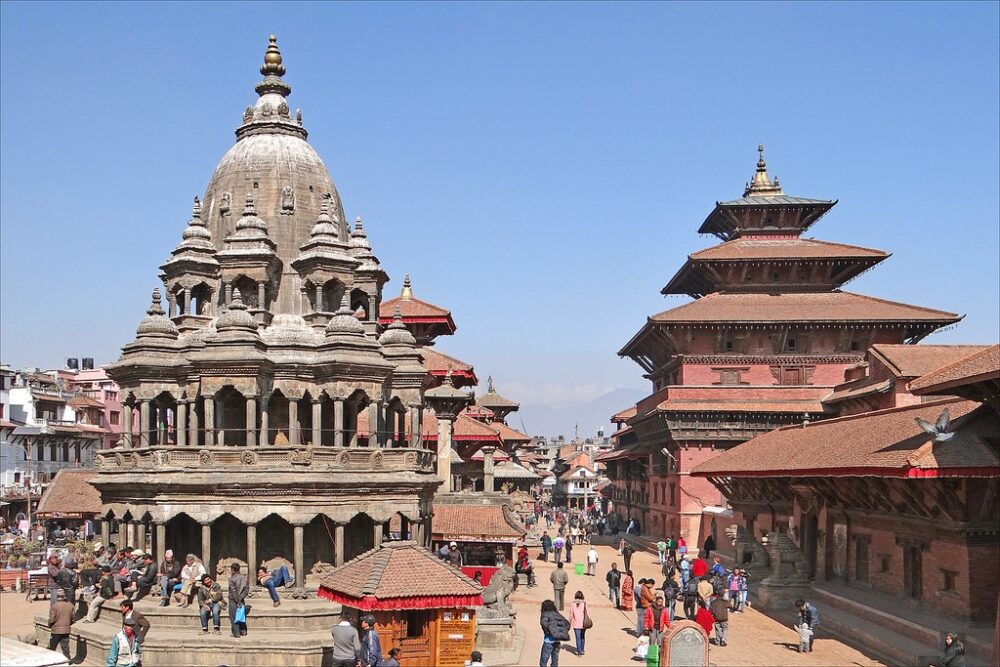
Patan Durbar Square is one of Nepal’s historical heritage sites in Nepal located in Lalitpur, Nepal which reflects the history, culture, and architecture of Nepal. It is the home of different jatras and festivals. The Newari community of Nepal conducts various jatra and other rituals of their community. This site consists of various temples, and monuments which reflect the art, culture, and religious heritage of Nepal. Many tourists and visitors visit this heritage site in order to explore its architectural beauty.
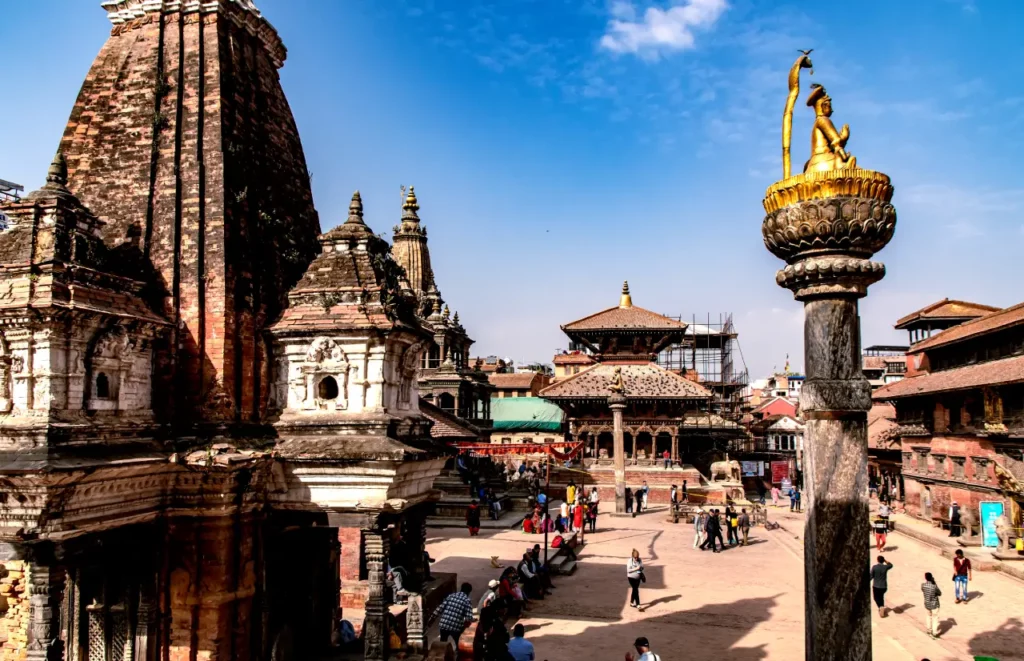
Beyond the architectural beauty of Patan Durbar Square, it is also a cultural center where different festivals, Jatra, and other rituals are organized and visitors around the world get the chance to explore and experience the traditions and rituals of Nepal. It is one of the popular sites of Nepal if you want to explore Nepal’s architectural beauty and cultural heritage.
In 1979 AD, Patan Durbar Square was enlisted as a UNESCO world heritage site. The government of Nepal and local peoples are actively participating in the preservation and promotion of this heritage site.
3. Bhaktapur Durbar Square
Bhaktapur Durbar Square is the popular historical heritage sites of Nepal located in Bhaktapur, Nepal which reflect its history, culture, and architecture. The Durbar Square is a combination of culture, art, and religion. In ancient times, it was a royal palace of the Malla kings. Malla’s kings were used to live in this Durbar square in the 15th and 18th centuries.
Bhaktapur Durbar Square is believed to constructed in the early 14th century in Newar architecture. The major highlights of this heritage site in Nepal are a 55-window palace, the towering Nyatapola temple, and the Krishna temple. It is also called a home of Golden Gate and Bhairavanath temple which is known for its architectural design.
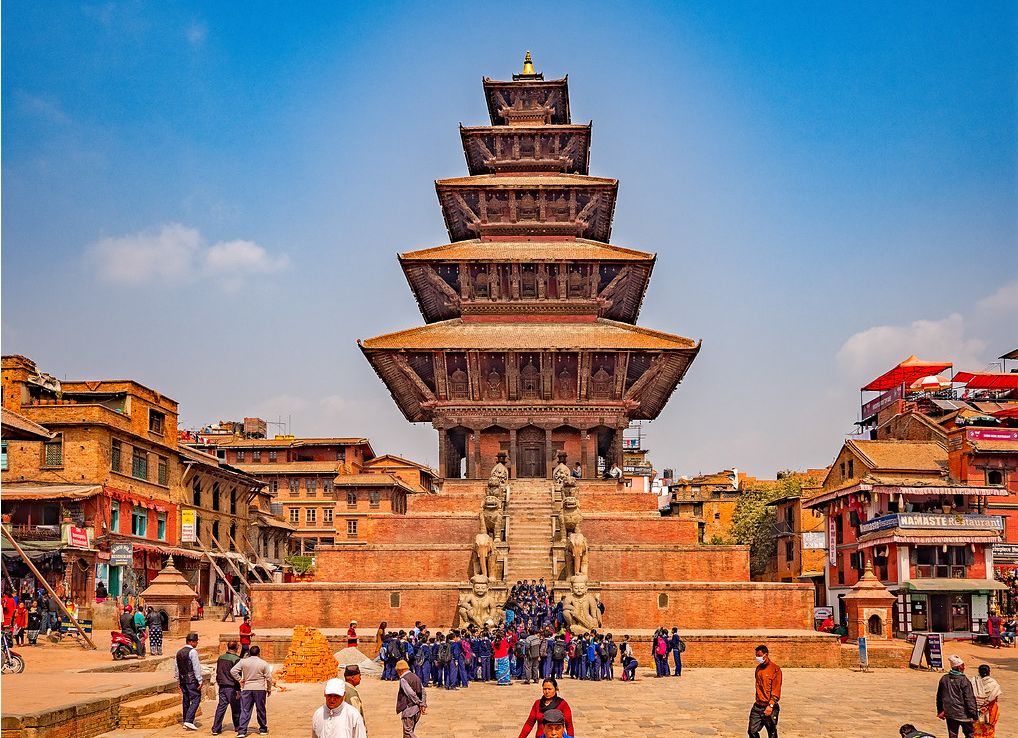
Many visitors and tourists around the world visit to explore the architectural beauty. Beyond the architectural beauty of this heritage sites of Nepal, it is also a center to explore and enjoy vibrant festivals, traditions, and rituals. It helps tourists to explore and experience the vibrant culture, tradition, and jatras of Newari culture.
In 1979 AD, Bhaktapur Durbar Square was enlisted in UNESCO World Heritage Sites for reflecting the cultural and religious heritage of Nepal. UNESCO helps to promote the tourism of Nepal which helps to boost the economy of the country. Explore the beauty of Kathmandu Valley from east to west from exploring the culture, art, and architectural beauty from Durbar Square to religious beauty.
4. Swoyambhunath Temple (Monkey Temple)
Swoyambhunath Temple is the oldest and most religious heritage sites of Nepal located on the hill of Kathmandu Valley. The stupa is believed to be developed 2000 years ago.
The many impression of Swoyambhunath temple is the white dome on the top of the hill where Lord Buddha’s eyes were crafted on all four sides symbolizing wisdom, compassion, and watchfulness. The stupa is a center of Tibetan Buddhism in Nepal, attracting both pilgrims and tourists seeking spiritual beliefs and a deeper understanding of the country’s religious heritage.
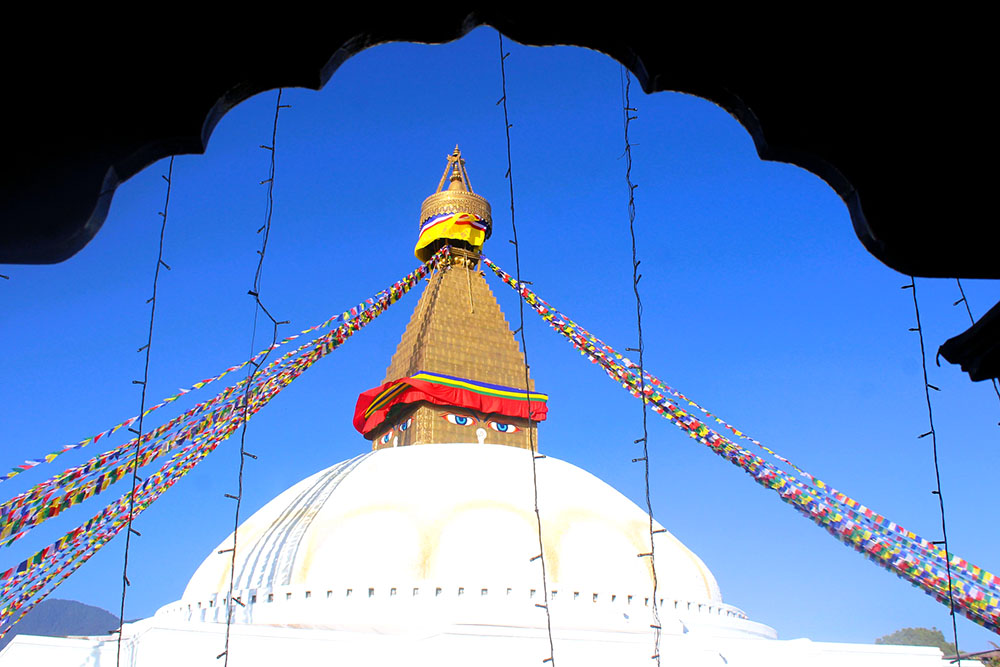
Swoyambhunath temple is surrounded by a peaceful forest and numerous monkeys which add charm to the site. This temple is renowned as the “Monkey Temple.” Visitors can explore the vibrant stupas, and prayer wheels while enjoying breathtaking panoramic views of Kathmandu Valley. With its scenic view, cultural significance, and natural beauty, Swoyambhunath remains a must-visited destination that offers an unforgettable memory of the spirituality and history of Nepal. In 1979 AD, Swoyambhunath Temple was enlisted as a world heritage site.
5. Lumbini: The Birthplace of Lord Buddha
Lumbini is one of the holiest places of Nepal in the southern part for Buddhists all over the world as it is the birthplace of Siddhartha Gautam Buddha. These historical heritage sites of Nepal reflect the history of Nepal as well as archaeological value. The most attractive features of this historical site are the Ashoka Pillar, Maya Devi Temple, the Shakya Tank, and so on. Ashoka pillar was believed to constructed in 249 BC by Emperor Ashoka. Maya Devi Temple was built on the memory of Lord Buddha’s Mother which is the oldest temple of Lumbini.
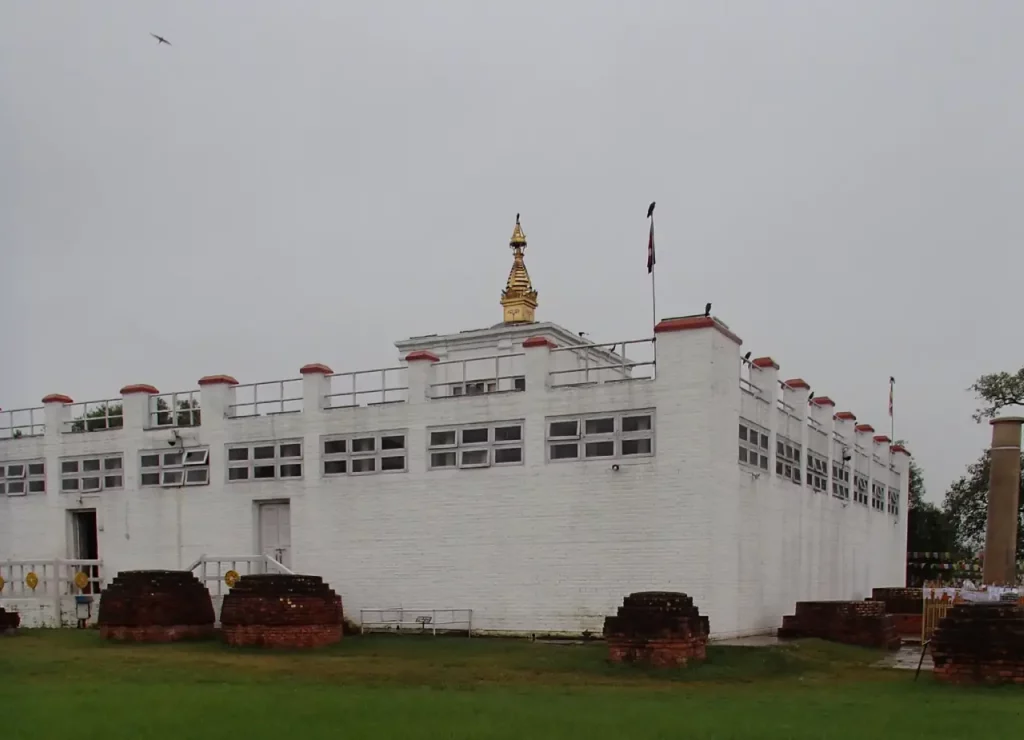
Lumbini has a number of old temples, including the Maya Devi Temple, and different temples, monuments, and monasteries funded by different Buddhist organizations around the world. Buddhists from all around the world have constructed many monuments, monasteries, stupas, and so on.
In 1997 AD, Lumbini was enlisted in UNESCO World Heritage Sites. The government and local people are actively participating in the promotion and preservation of this heritage site. Different traveling company offers various tour packages from lodging to accommodation from Kathmandu – Pokhara – to Lumbini.
Nepal government has established the Lumbini Development Trust for the preservation of the heritage site. Lumbini Development Trust ensures the conservation of this heritage sites of Nepal while accommodating pilgrims and tourists. Lumbini remains a significant Buddhist pilgrimage center and a symbol of global cultural heritage. This heritage site is also a favorite destination to explore the western site that offers the best trekking route such as Annapurna Circuit with Tilicho Lake Trek, Annapurna base camp.
6. Changu Narayan Temple
Changu Narayan Temple is the oldest temple in Nepal. The temple is located on Dolagiri hill of Bhaktapur, Nepal. It is the oldest Hindu temple that is dedicated to lord Vishnu which was built in the 4th Century. The temple is designed in traditional Nepali architecture that combines the tradition of Pagoda style.
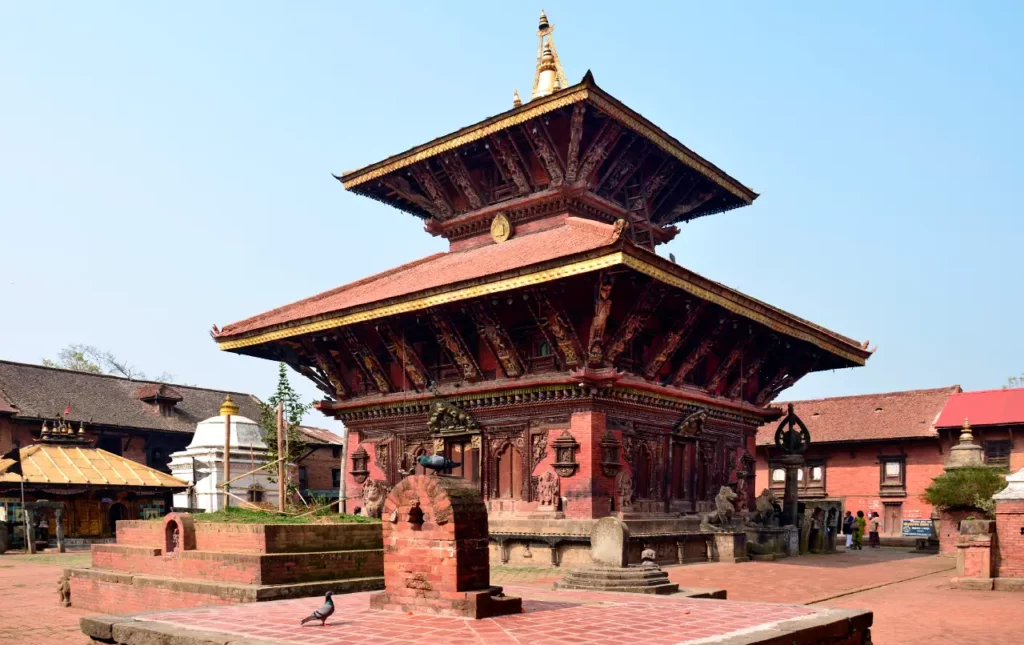
The temple describes the Archaeology of Nepal. The first impression of this temple is its entrance as it has four entrance gates to the temple where each entrance is different from one another. The entrance gate of this temple is guarded by life-size pairs of animals such as Lions, mythic sarabhas, griffins, and elephants. The entrance door is gilded with carvings of Naga.
We can find different Chakra, Sankha, Kamal, and Khadga all at the top of a stone pillar around the temple. These stone pillars have an inscription in Sanskrit which is considered to be the oldest stone inscription pillar which was erected by Licchavi kings around 464 AD.
The temple was enlisted in UNESCO World Heritage Sites in 1979 AD. The Kathmandu tour package includes a trip to this heritage site to explore the archaeological beauty of this site. This temple reflects the Hindu religion and religious beliefs of Lord Vishnu.
7. Sagarmatha National Park
Sagarmatha National Park is a national park situated in the lap of the Himalayan located in the eastern part of Nepal. Sagarmatha National Park was established on July 19, 1976, with an area of 1148 sq. kilometers in the Solokhumbu district of Nepal. The national park consists of the world’s highest peak Mount Everest with a height of 8848 with its scenic beauty along with its landscape and natural flora and fauna. The national park features breathtaking landscapes, including mountains, glaciers, and alpine forests.
This national park features some special and popular trekking routes such as the Everest Base Camp trek, Everest Gokyo Lake trek and so on which offer incredible views of natural beauty and landscapes and also explore Sherpa Culture.
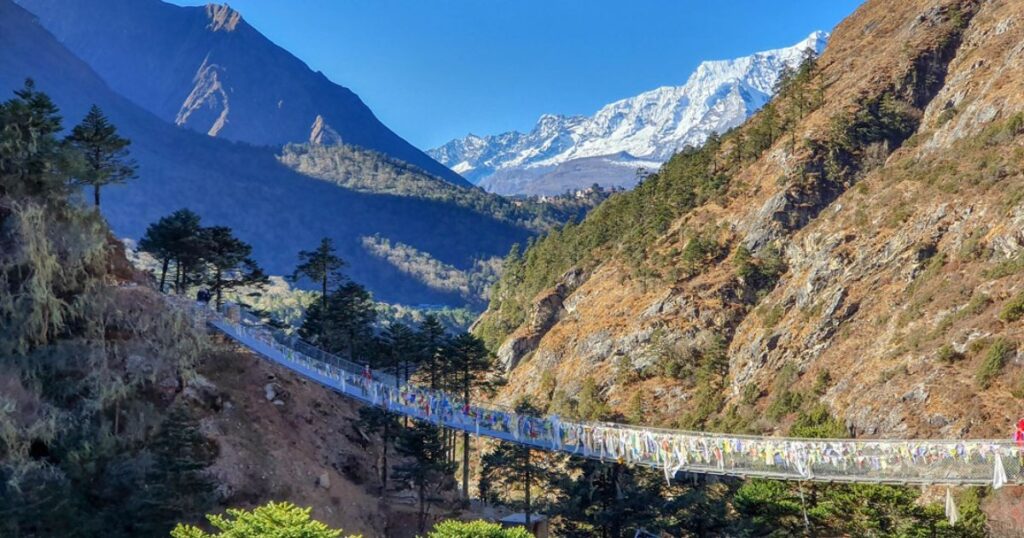
Sagarmatha National Park is also rich in wildlife that includes rare species Snow Leopards and Himalayan tahr and over 208 species of bird. In 1979 AD, it became a UNESCO World Heritage Site, celebrated for its beauty and ecological importance. It is the first national park of Nepal to be enlisted in world heritage sites of Nepal.
8. Chitwan National Park
Chitwan National Park is the first national park of Nepal established in 1973 AD with the name Royal Chitwan National Park and was enlisted as a UNESCO World Heritage site in 1984 AD. Chitwan National Park was established to preserve wildlife and ecosystems expanding up to 952.63 sq. kilometers. The national park was established in the southern part of Nepal in the subtropical lowlands. At first, it was used as a royal hunting ground before transforming into a protected area.
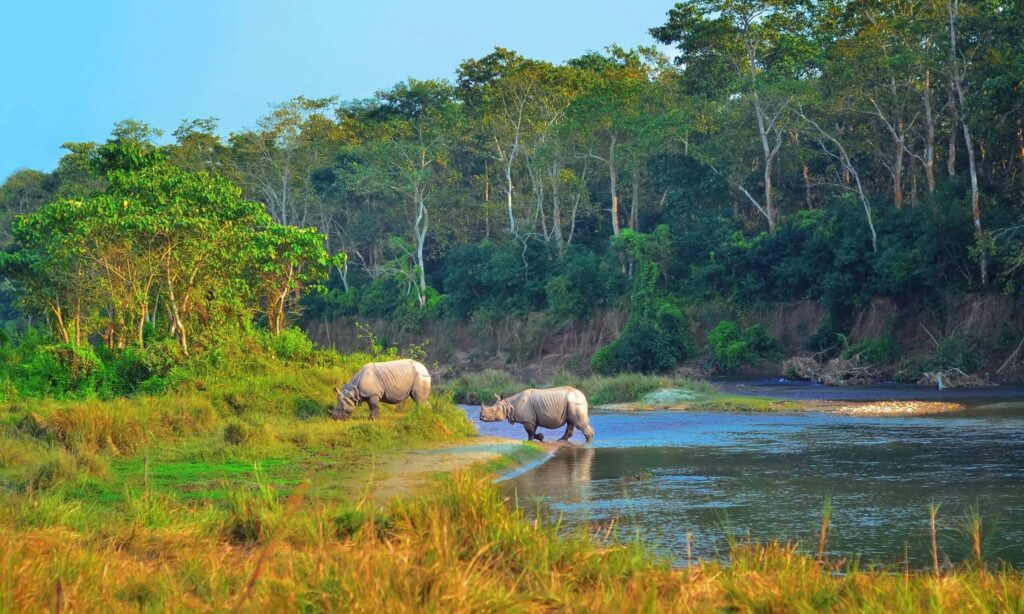
Chitwan National Park enhances the diversity of landscape from lush sal forest to expansive grasslands. The national park is home to rare species of animals like the one-horned rhinoceros, Bengal tiger, and wild elephant.
The national park is home to rare species of animals like one-horned rhinoceros, Bengal tiger, and wild elephant. With over 50 mammal species, 525 bird species, and numerous reptiles. Exploring the beauty of natural flora and fauna with landscapes along with the habitat of wildlife in Kathmandu – Chitwan gives a mesmerizing unforgettable trip.
Chitwan is a haven for wildlife flora and fauna. In 1984 AD Chitwan National Park was enlisted as a UNESCO World Heritage Site. The conservation of this site has not only benefits local tourism but also sustainable tourism, ensuring both nature and people. Chitwan National Park is an invaluable treasure, offering visitors a mesmerizing connection to natural beauty. The heritage sites of Nepal help to grow and boost the economy of the country.
9. Boudhanath Stupa
Boudhanath Stupa is one of the holiest places for Buddhists from all around the world. Like Pashupatinath temple which is the holiest place for Hindus all over the world, Buddhanath stupa is the holiest place for Buddhists. The stupa reflect the majestic landmarks and symbolize Tibetan Buddhism and spiritual devotion which is located 7 kilometers from Kathmandu Valley, it is one of the largest stupas in the world.
The stupa is an iconic dome shape that admires Buddha’s all-seeing eyes on all four sides, representing wisdom, compassion, and watchful presence. The stupa is surrounded by prayer wheels, shrines, and vibrant prayer flags that add an aura of peace and reverence.
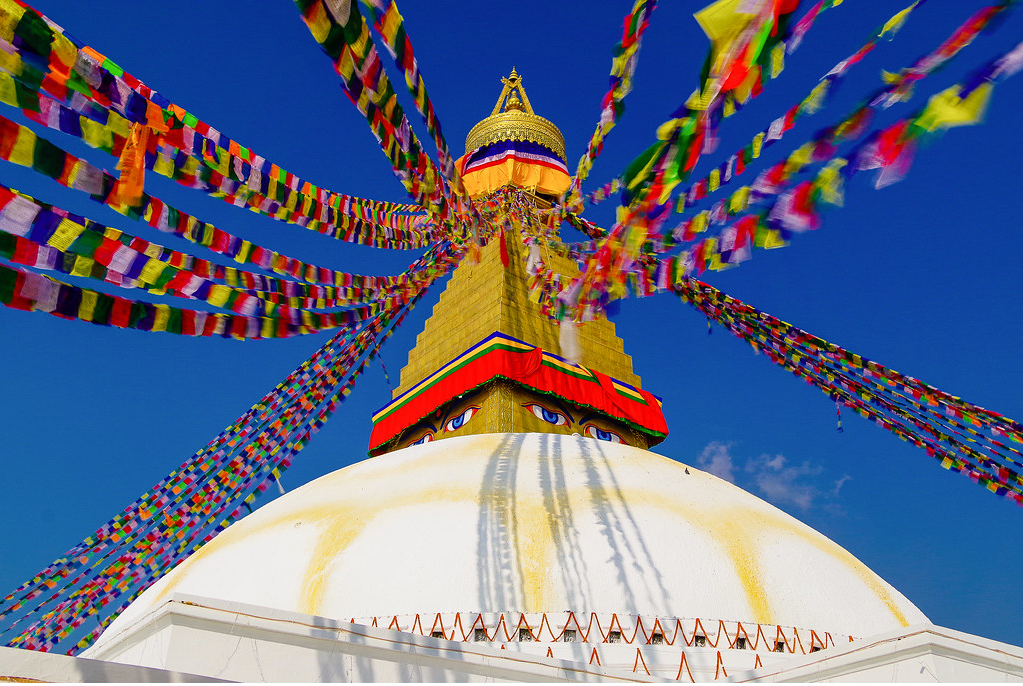
As the heart of Tibetan culture in Nepal, Boudhanath has been a sanctuary for Tibetan refugees and a center for preserving their traditions. In 1979 AD, it was enlisted as a UNESCO World Heritage Site for its cultural and religious significance. Pilgrims and visitors from around the world come to the stupa to engage in rituals. Boudhanath Stupa continues to inspire with its timeless beauty, spiritual energy, and the wisdom it embodies, making it a cherished treasure for both Nepal and the world.
10. Pashupatinath Temple
Pashupatinath Temple located in Kathmandu, Nepal is a cherished Hindu shrine dedicated to Lord Shiva as Pashupati. This UNESCO World Heritage Site, perched along the sacred Bagmati River, has a rich history that dates back to at least the 5th century. With its stunning two-story pagoda architecture and over 500 smaller shrines, it has become a vibrant hub for pilgrims, especially during festivals like Maha Shivaratri.
While only Hindus can enter the inner sanctum, the outer areas invite visitors from all walks of life to witness the lively rituals and ceremonies. Beyond its Hindu significance, Pashupatinath also resonates with Vajrayana Buddhism, reflecting a blend of spiritual traditions.
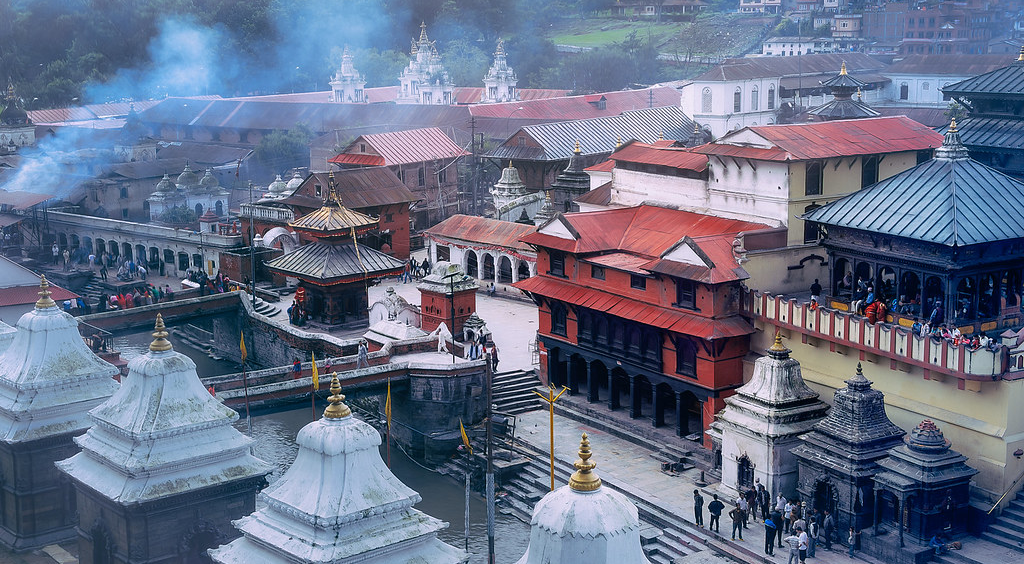
Daily rituals and cremation ceremonies along the riverbank add to its profound atmosphere. Each year, thousands of devotees and tourists around the world visit this site to explore and experience its beauty and deep spiritual essence.
Pashupatinath Temple truly embodies the rich cultural tapestry of Nepal, celebrating the shared beliefs and practices of both Hinduism and Buddhism. In 1979 AD, Pashupatinath temple was enlisted as a UNESCO World Heritage Site.
Conclusion
Nepal’s 10 UNESCO World Heritage sites reflect the beauty of its culture, history, and the country’s rich natural beauty and landscapes from ancient temples in the Kathmandu Valley to the breathtaking views of Sagarmatha and Chitwan National Parks. These places offer a unique glimpse into Nepal’s past and explore the architecture of Bhaktapur and Patan or hike or trek near Mount Everest. These places are more than just tourist attractions. They are a living testament to Nepal’s heritage. It attracts tourists from all over the world to experience and explore its beauty and spirit along with landscapes.