What to Expect on a Trek in Nepal?
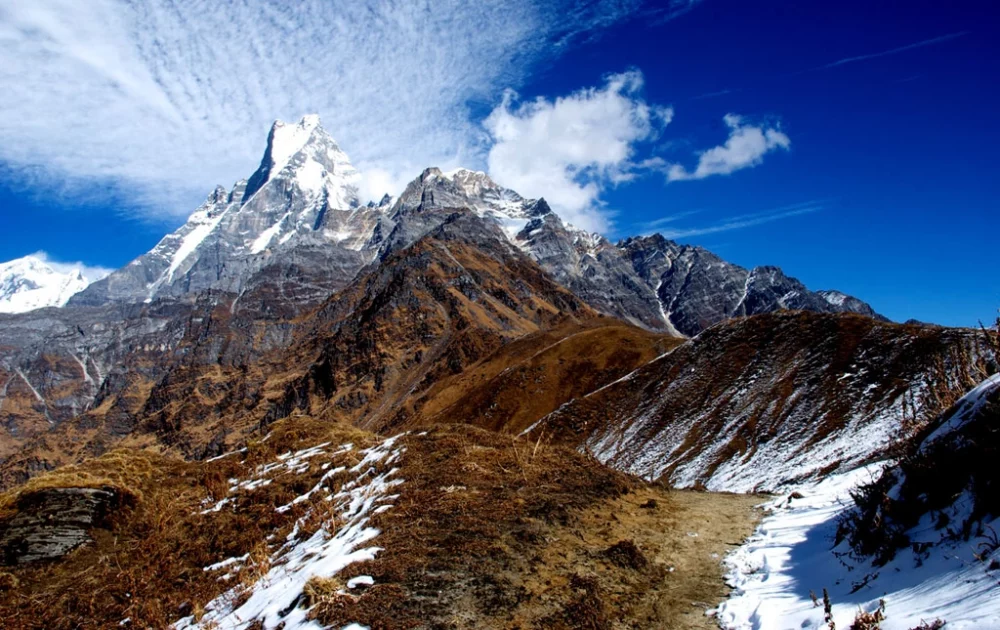
With a variety of trekking routes ranging from the well-known Everest Base Camp Trek to the relatively unappreciated Upper Mustang Trek, Nepal, which is tucked away in the heart of the Himalayas, is one of the world’s top trekking destinations.
You have undoubtedly encountered the Nepal hiking craze that has taken over your search engines if you have even a passing interest in the sport. Additionally, you may question whether the hikes here are truly worth the hype.
As a result, we will discuss all you need to know about trekking in Nepal in this blog, including the many kinds of treks, a normal trekking day, lodging, food, weather, and any other positive or negative aspects of trekking in Nepal.
For a more accurate idea of what to expect on a trip in Nepal, read on to find out exactly what your journey will include.
Nepal’s Trekking Route Types
For trekking fans worldwide, Nepal is a must-visit destination because of its breathtaking panoramic vistas, varied ecosystems, distinctive communities, and rich cultural history.
Additionally, Nepal offers a variety of trekking routes that range in difficulty from easy to challenging. Trekkers can choose the trek that best suits their needs thanks to this variety, which accommodates their various priorities and tastes.
Nepal’s main trekking routes are classified according to their weather, level of commercialization, popularity, off-the-beaten-path, and kind of lodging.
In Nepal, you may discover both tented hikes and teahouses. Camping treks demand significantly more experience from the trekkers than teahouse treks, which are a more comfortable choice with traditional meals and lodging along the route.
Tents, cooking equipment, food supplies, and other necessities must be carried by the trekking group for camping treks like the Upper Dolpo and Dhaulagiri Circuit.
Because of this, the experience becomes more logistically and physically taxing. However, these treks provide an unparalleled sense of independence and exploration for adventure seekers looking for isolation and unspoiled terrain.
Due to their comfort and convenience, mountain teahouse treks are the more popular choice, particularly for novices. Trekkers are also free to select between well-traveled and less-traveled routes.
An Ordinary Trek Day
If you are considering a trip to Nepal for your next trekking adventure, you may be curious about what a normal Nepalese trek day entails. Your day will typically be exciting, though it may differ slightly depending on the kind of hike and your level of experience.
If the weather is clear, the trip typically begins early in the morning when you awaken to breathtaking views of the sunrise. You then have a hearty breakfast at the teahouse and get ready for the day’s hike.
Heading towards your objective for the day, you traverse the hiking route’s varied landscapes and stunning sights. You will also come across a lot of amiable folks along the route.
You will get the opportunity to take in the stunning landscape and gain more knowledge about your trekking path and the amount of time left when you pause for a revitalizing meal in the afternoon after a strenuous journey.
You will then arrive at your destination after a few more hours of hiking.
Every day’s trek is often finished by late afternoon or evening, at which point hikers have time to explore the destination settlement, relax, and get ready for the next day’s journey.
This plan is different from your typical trekking days on an acclimatization day, when you relax at a predetermined location and take in the surroundings to aid in your body’s altitude adjustment.
Trekkers can go to the Everest View Hotel or Khumjung village while taking in the vibrant ambiance of the Sherpa settlement at Namche Bazaar, a popular acclimatization break in the Everest region.
Samagaun provides acclimatization possibilities on the Manaslu Circuit by hikes to the Manaslu Base Camp viewpoint or Birendra Lake.
Similar to this, trekkers typically take a day off in Manang on the Annapurna Circuit, where side visits to locations like Gangapurna Lake aid with acclimatization and provide breathtaking Himalayan views.
Lodging and Food
In terms of lodging, the majority of Nepal’s trekking routes have teahouses with all the necessities, including more basic rooms as elevation rises, typically with communal dining areas and restrooms.
You can choose between guesthouses and lodges that offer rooms with attached bathrooms, hot showers, and slightly nicer amenities, depending on your availability and price
On well-known treks like the Annapurna Base Camp, Everest Base Camp, and Annapurna Circuit, these amenities are typically offered in the early days on the trail’s lower reaches.
Up to Dingboche, the Everest region is home to opulent lodgings with first-rate amenities. It’s interesting to note that accommodations on the Langtang Valley Trek tend to get better as elevation increases, particularly in Langtang and Kyanjin Gompa, where a lot of guesthouses have rooms with connected bathrooms.
However, prepare to stay in simple teahouses with little amenities along the way in isolated hikes like the Kanchenjunga region.
In any case, it is preferable to anticipate modestly furnished rooms that are straightforward but pleasant, with plain twin beds. However, they play a significant role in the trek’s overall authenticity and character.
In terms of cuisine, you will primarily encounter dal bhat tarkari, a Nepalese staple consisting of rice, lentils, and a side of pickles and veggies.
You can also anticipate various regional specialties, such as a warm Thakali lunch, Thukpa, Dhindo, noodles, and other types, depending on the area you will be trekking in.
Physical Prerequisites and Fitness Levels
Your physical condition, the journey you select, and your prior trekking experience will all affect how difficult the trek is in Nepal.
For instance, trekkers with a reasonable level of fitness and some prior experience with high-altitude trekking can do the fairly difficult Everest Base Camp Trek.
The Khumbu region, the Three Passes Trek is more demanding, requiring strong physical endurance and experience due to the high passes and rugged terrain. With lengthy trekking days and a range of elevations that test even seasoned hikers, the Manaslu Circuit provides a challenging, off-the-beaten-path experience.
While the Thorong La Pass is demanding, there are other, gentler routes with breathtaking vistas and a variety of landscapes on the Annapurna Circuit.
In any case, to guarantee both enjoyment and safety, it’s critical to pick a journey that complements your level of fitness and trekking experience.
A modest level of physical fitness is necessary to overcome the hardships on many trekking routes in Nepal, while it is not necessary to be athletic.
This is due to the fact that you will be walking for approximately six to seven hours each day across a variety of terrain and landscapes, and you will frequently encounter strenuous ascents and knee-jarring descents, especially on rocky pathways.
Because it can make your entire trekking trip much more pleasant and pleasurable, it is highly advised that you train thoroughly a few months in advance.
Create an appropriate exercise schedule that incorporates aerobic, dancing, cycling, jogging, swimming, skipping, weight training, and stamina-boosting activities.
Pay attention to your lower back, core, and calf muscles because these are the parts that are most stressed during trekking. Regular exercise can also improve your heart and lungs, which is beneficial for trekking.
Nepal’s difficult terrain and elevations necessitate adequate mental and physical preparation. Therefore, it is advisable to practice breathing techniques and meditation well in advance.
Safety and Health Measures
Regardless of one’s age, level of physical condition, or previous trekking experience, everyone can be impacted by Nepal’s difficult and dangerous elevation levels.
Therefore, one of your main goals when trekking in Nepal should be to avoid extreme mountain sickness. Recognize the signs of altitude sickness and follow these guidelines:
• Climb gradually and slowly.
• Avoid making large altitude changes in a single day.
• Eat a balanced diet and drink plenty of water.
• Be mindful of your acclimatization days.
In addition to altitude sickness, trekking in Nepal frequently puts hikers at risk for sliding and other accidents. Therefore, it is best to have a first aid box that is well filled with bandages, ointments, blister remedies, antibiotics, and other necessary medications.
Keep a reusable water bottle and some water purification tablets with you at all times, and remember to stay hydrated. Maintain your energy level throughout the hike by eating a balanced diet.
Seasonal Variability and Weather Conditions
The weather and the time of year you are planning your walk are the main determinants of expectations, which might vary greatly on a trek in Nepal.
The optimum time to trek in Nepal is generally considered to be in the spring (March to May) and autumn (September to November), when the majority of trekking routes give the best experience.
The spring season, which runs from March to May, is the pre-monsoon period when the weather is clear, with moderate temperatures and clear skies. During this time, you may observe the landscapes covered in a variety of plants and animals.
The fall season, which is Nepal’s busiest trekking season, lasts from September to November. You will view snow-covered mountains as the routes prepare for winter, when the weather is still comfortable and the wildlife is very active.
However, because they are in a rain shadow and receive little rainfall, some hiking routes, such as the Upper Mustang Trek, can provide an excellent trekking experience during the monsoon season.
You can choose to trek during the winter months of December through February if you want to enjoy Nepal’s winter splendor, but be ready to face the difficulties that come with it.
Cultural Protocols and Communication with Residents
Trekking in Nepal is distinct from trekking in other nations, and what makes Nepal stand out from other breathtaking trekking sites is the cultural experience there.
Expect to be enmeshed in a complex cultural tapestry on your trip in Nepal, in addition to the breathtaking scenery and daring paths. You are introduced to distinct ethnic communities and their friendly welcome in each region.
Visit spiritual sites like the Tengboche Monastery, one of the most revered monasteries in the Khumbu region, and learn about the intriguing Sherpa culture, which has its roots in Tibetan Buddhism, in the Everest region.
You will come across Gurung and Magar villages on the Annapurna Base Camp Trek, who are renowned for their valor and colorful customs.
With village’s home to Gurung, Thakali, and Manangi people, the Annapurna Circuit offers a multicultural experience. It also includes the revered Muktinath Temple, a significant Buddhist and Hindu pilgrimage destination.
You’ll discover that Mustang, and particularly Upper Mustang, is a place that seems to be stuck in a bygone era. Centuries-old monasteries, enigmatic sky caves cut into cliffs, and a deeply ingrained Tibetan Buddhist culture that flourishes in isolated communities like Lo Manthang may all be found in the area. Additionally, the Thakali group in the lower Mustang region has a rich culinary legacy and distinctive customs of its own.
Higher up on the Manaslu Circuit, you’ll come across Tibetan-influenced communities after passing through Gurung villages in the lower reaches. The Tamang people of the Langtang Valley provide an insight into Himalayan culture influenced by Tibetan ancestry.
You will have a great chance to engage with the locals even when you are staying in teahouses, and they will frequently provide you an insight into the various customs, cultures, and celebrations of the nation.
You can learn a lot and establish a genuine connection with nature and the holy in these deeply spiritual and culturally entrenched areas. But there is just as much responsibility involved in going there.
If you wish to participate in local customs, make sure to dress modestly, interact with others, and understand how to do rituals correctly. Continue using various polite methods to engage with the local culture.
Anticipated Price
Once more, the price of a trek in Nepal is highly subjective and can change depending on your preferred trekking route, the kind of experience you are looking for, and the time of year you are trekking.
For the majority of treks, budget the sum listed below for a basic teahouse trek with minimal yet cozy amenities:
Permits cost from $20 to $70, with longer-term and restricted-area permits costing more.
Accommodations range from $3 to $30 USD per night, with prices rising in well-known locations and during the busiest trekking season.
Meals range from $5 to $12 USD, depending on the variety. The higher the height, the higher the expense.
Expect to pay somewhat more for a more upscale trekking experience that includes nights in hotels and resorts, such as the VVIP Everest Base Camp Trek, because the amenities are much more opulent.
Whether you are trekking alone or with a knowledgeable guide, as well as whether you are trekking in a group or alone, will also affect your overall costs. Group trekking is typically a little less expensive.
Typical Obstacles and Insider Advice
Although trekking in Nepal is undoubtedly a once-in-a-lifetime event, it is typically not as straightforward and picturesque as it is portrayed online. Don’t be misled, then.
In Nepal, trekking presents a unique set of difficult
ies. Below are a few of them:
Altitude sickness can result from trekking’s physical demands, particularly at high elevations. To adjust gradually, take it slow, drink plenty of water, and schedule acclimatization days.
In the Himalayas, the weather is frequently erratic. In order to stay comfortable, pack layered clothes, waterproof gear, and extra dry necessities because the weather might change suddenly.
There may be limited mobile or internet coverage, and trails can be unclear. Think about getting a guide, bringing a trustworthy map, and getting ready to unplug.
Carrying a large pack for extended periods of time over uneven terrain can cause pressure on the feet. Carry blister pads, pack light, wear footwear that fit well, and think about hiring a porter.
At higher elevations, food alternatives may be more limited and more expensive. Plan ahead by putting aside extra money and bringing snacks to go with meals.
Trekking can be mentally taxing, particularly when conditions change and physical hardship is present. Remain upbeat, concentrate on the beauty of nature, and keep in mind the satisfying experience at the conclusion.